

“`html
There is something truly magical about baking bread that bursts with vibrant flavors and captivating textures, and that is exactly what you get with the Lemon Blueberry Sourdough Bread: Juicy & Creamy Bliss! Recipe. This one-of-a-kind loaf brings together the tangy brightness of fresh lemon and the sweet juiciness of blueberries, all wrapped in a crusty sourdough exterior with a wonderfully creamy crumb. Each bite offers a perfect balance of tang, sweetness, and a satisfyingly chewy texture that’s simply irresistible. Whether you’re new to sourdough or a seasoned baker, this recipe invites you to create a loaf that feels as joyful as it tastes.
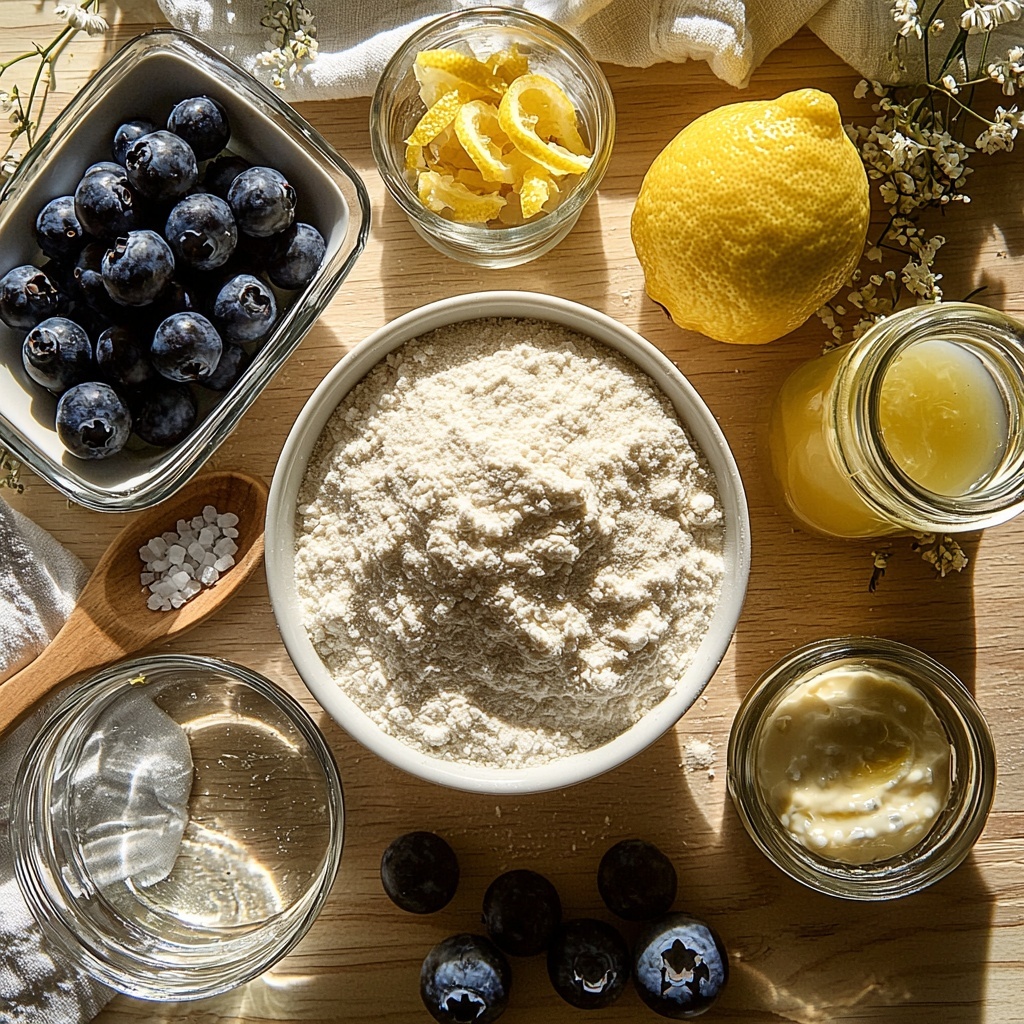
Ingredients You’ll Need
This recipe keeps things delightfully simple but makes every ingredient count. Each component not only contributes to the structure and crumb of the bread but also layers in complex flavors that make this loaf unforgettable.
- 100g all-purpose flour: Essential for creating the sourdough starter that kickstarts fermentation and natural leavening.
- 100g water (for starter): Hydrates the flour to cultivate a lively starter with natural yeast.
- 500g bread flour: The backbone of the dough, giving the bread strength and a chewy texture.
- 350g water (for dough): Provides hydration to form a supple, elastic dough necessary for open crumb.
- 100g active sourdough starter: The natural leavener that creates flavor complexity and lifts the bread.
- 10g salt: Balances the flavors and strengthens the gluten network.
- 100g fresh blueberries: Bursting pockets of juicy sweetness that contrast beautifully with the sourdough tang.
- Zest of 1 lemon: Adds a fresh, aromatic brightness that elevates the entire loaf.
- Juice of 1 lemon: Infuses the dough with a sharp citrus note, enhancing flavor depth.
How to Make Lemon Blueberry Sourdough Bread: Juicy & Creamy Bliss! Recipe
Step 1: Hydrate and Rest Your Flour
Start by mixing the bread flour with water in a large bowl until no dry bits remain. This is known as the autolyse stage, and letting it rest for 30 minutes hydrates the flour and initiates gluten development—setting a strong foundation without any kneading.
Step 2: Add Starter, Salt, and Citrus
Next, incorporate your active sourdough starter along with salt, lemon zest, and lemon juice. These additions bring together the essential sourdough lift, seasoning, and that zingy citrus boost that makes this bread stand out.
Step 3: Perform Stretch and Folds
Over the next two hours, perform four sets of gentle stretch and folds every 30 minutes. This helps build strength in the dough and trap the air bubbles that contribute to a light, open crumb texture.
Step 4: Gently Fold in Blueberries
After the last fold, carefully fold in the fresh blueberries to avoid crushing them. This step ensures that juicy bursts of blueberry are evenly distributed throughout the dough, offering delightful sweet surprises in every slice.
Step 5: Shape and Proof
Shape the dough into a round loaf and place it seam-side up in a well-floured proofing basket. Cover and let it rise for 3-4 hours at room temperature or opt for an overnight proof in the fridge for deeper flavor complexity.
Step 6: Prepare to Bake
Preheat your oven to 450°F (232°C) with a Dutch oven inside for at least 30 minutes. This preheating step is crucial to create that steamy, hot environment needed for a magnificent crust.
Step 7: Bake Covered
Carefully transfer the dough into the hot Dutch oven, score the top to guide expansion, and cover with the lid. Bake for 30 minutes, letting steam develop to encourage oven spring and a glossy crust.
Step 8: Bake Uncovered Until Golden
Remove the lid and continue baking for an additional 15-20 minutes. This allows the crust to deepen to a perfect golden brown and crisp up beautifully.
Step 9: Cool Before Slicing
Let the bread cool on a wire rack for at least one hour to set the crumb. This patience rewards you with cleaner slices and preserves that creamy, juicy texture inside.
How to Serve Lemon Blueberry Sourdough Bread: Juicy & Creamy Bliss! Recipe
Garnishes
While this bread is a star on its own, a gentle spread of softened butter or whipped honey butter plays wonderfully with the juicy blueberries and zesty lemon. For a special treat, a light drizzle of lemon glaze on a thick slice adds a shiny, tangy finish.
Side Dishes
This loaf pairs beautifully with soft cheeses like mascarpone or ricotta, offering creamy counterpoints to the bread’s texture. It also works well alongside fresh fruit salads or herbal teas, making breakfast or brunch feel truly elevated.
Creative Ways to Present
For a festive touch, slice the bread and layer it with cream cheese and fresh lemon curd, then top with extra blueberries as a delightful brunch centerpiece. Or cube the loaf and toast it to create a fun, fruity crouton for salads or desserts.
Make Ahead and Storage
Storing Leftovers
Store any uneaten Lemon Blueberry Sourdough Bread: Juicy & Creamy Bliss! Recipe wrapped tightly in a clean kitchen towel or in a paper bag to retain its crust, then place it in an airtight container. Keep it at room temperature and enjoy within 3-4 days for optimal freshness and flavor.
Freezing
If you want to keep your bread longer, wrap it tightly in plastic wrap and then in foil before placing it in a freezer bag. This bread freezes beautifully for up to 1 month. When you’re ready, thaw slowly at room temperature to preserve the juicy crumb.
Reheating
Bring frozen or day-old slices back to life by warming them in a toaster or oven at 350°F (175°C) for about 10 minutes. This revives the crisp crust and creamy interior, making each bite taste freshly baked all over again.
FAQs
Can I use frozen blueberries instead of fresh?
Fresh blueberries are preferred because frozen ones can release extra moisture and potentially make the dough soggy. However, if you only have frozen, gently thaw and drain them before folding in to minimize excess liquid.
How do I know if my sourdough starter is active?
An active starter should double in size within 4-6 hours of feeding and be bubbly with a pleasant tangy aroma. Using it at its peak activity ensures your bread has enough natural rise and flavor.
Can I adjust the lemon flavor?
Absolutely! If you want a subtler citrus note, reduce the lemon juice or zest slightly. For a more vibrant lemon punch, feel free to add a bit more zest or a splash more juice, but be cautious not to add too much liquid.
What if my dough feels too sticky to handle?
Sticky dough is common with high hydration sourdoughs. Use wet or lightly floured hands when performing stretch and folds, and avoid adding excessive flour to keep the bread moist and tender.
Is an overnight fridge proof necessary?
Not required but highly recommended for flavor development. Cold fermentation slows down the yeast activity, enriching the bread’s taste and improving its texture. If short on time, a 3-4 hour room temperature proof works well too.
Final Thoughts
Whipping up this Lemon Blueberry Sourdough Bread: Juicy & Creamy Bliss! Recipe is more than baking—it’s crafting a little slice of joy that brings brightness and warmth to any meal. The harmony of tangy lemon, juicy blueberries, and tangy sourdough is truly a crowd-pleaser, perfect for sharing with friends or savoring quietly on your own. Dive into the process with love, and you’ll be rewarded with a loaf that’s as vibrant and delightful as your passion for baking.
“`
Print
Lemon Blueberry Sourdough Bread: Juicy & Creamy Bliss! Recipe
- Prep Time: 20 minutes
- Cook Time: 50 minutes
- Total Time: 3 hours 20 minutes plus proofing (3-4 hours or overnight chilling)
- Yield: 1 loaf (about 1 kg)
- Category: Bread
- Method: Baking
- Cuisine: Artisan
Description
This Lemon Blueberry Sourdough Bread is a delightful combination of juicy blueberries and zesty lemon, baked to golden perfection. With a creamy crumb and tangy flavor from the sourdough starter, it’s an irresistible artisan bread perfect for breakfast or snacks.
Ingredients
Sourdough Starter
- 100g all-purpose flour
- 100g water
Bread
- 500g bread flour
- 350g water
- 100g active sourdough starter
- 10g salt
- 100g fresh blueberries
- Zest of 1 lemon
- Juice of 1 lemon
Instructions
- Mix Flour and Water (Autolyse): In a large mixing bowl, combine 500g bread flour and 350g water. Mix thoroughly until no dry flour remains. Let this mixture rest for 30 minutes to hydrate the flour and start gluten development.
- Add Starter and Flavorings: To the rested dough, add 100g active sourdough starter, 10g salt, lemon zest, and lemon juice. Mix well until all ingredients are fully incorporated, creating a cohesive dough.
- Perform Stretch and Folds: Over the next 2 hours, perform four sets of stretch and folds every 30 minutes. This helps develop gluten structure and strengthens the dough.
- Incorporate Blueberries: After the last stretch and fold, gently fold 100g fresh blueberries into the dough to avoid bursting them and to evenly distribute throughout.
- Shape and Proof: Shape the dough into a round loaf and place it into a floured proofing basket. Cover the dough and let it rise for 3-4 hours at room temperature or alternatively refrigerate overnight for slower fermentation.
- Preheat Oven and Dutch Oven: Preheat your oven to 450°F (232°C) and place a Dutch oven inside to heat for 30 minutes. This ensures a hot baking environment for crust development.
- Bake with Lid: Carefully transfer the dough from the proofing basket to the preheated Dutch oven. Score the top for oven spring, cover with the lid, and bake for 30 minutes to trap steam.
- Bake without Lid: Remove the lid and continue baking for an additional 15-20 minutes until the crust turns a deep golden brown and crispy.
- Cool: Remove the bread from the Dutch oven and let it cool on a wire rack for at least 1 hour before slicing, allowing the crumb to set properly.
Notes
- Use fresh blueberries for best texture and flavor; frozen blueberries may release too much moisture.
- The lemon zest and juice enhance the bright, citrusy flavor but can be adjusted to taste.
- Ensure your sourdough starter is active and bubbly before use for optimal rise.
- Performing stretch and folds helps build gluten strength without kneading.
- Cooling the bread completely is essential to prevent a gummy crumb.
- Proofing overnight in the fridge can improve flavor complexity and make scheduling easier.