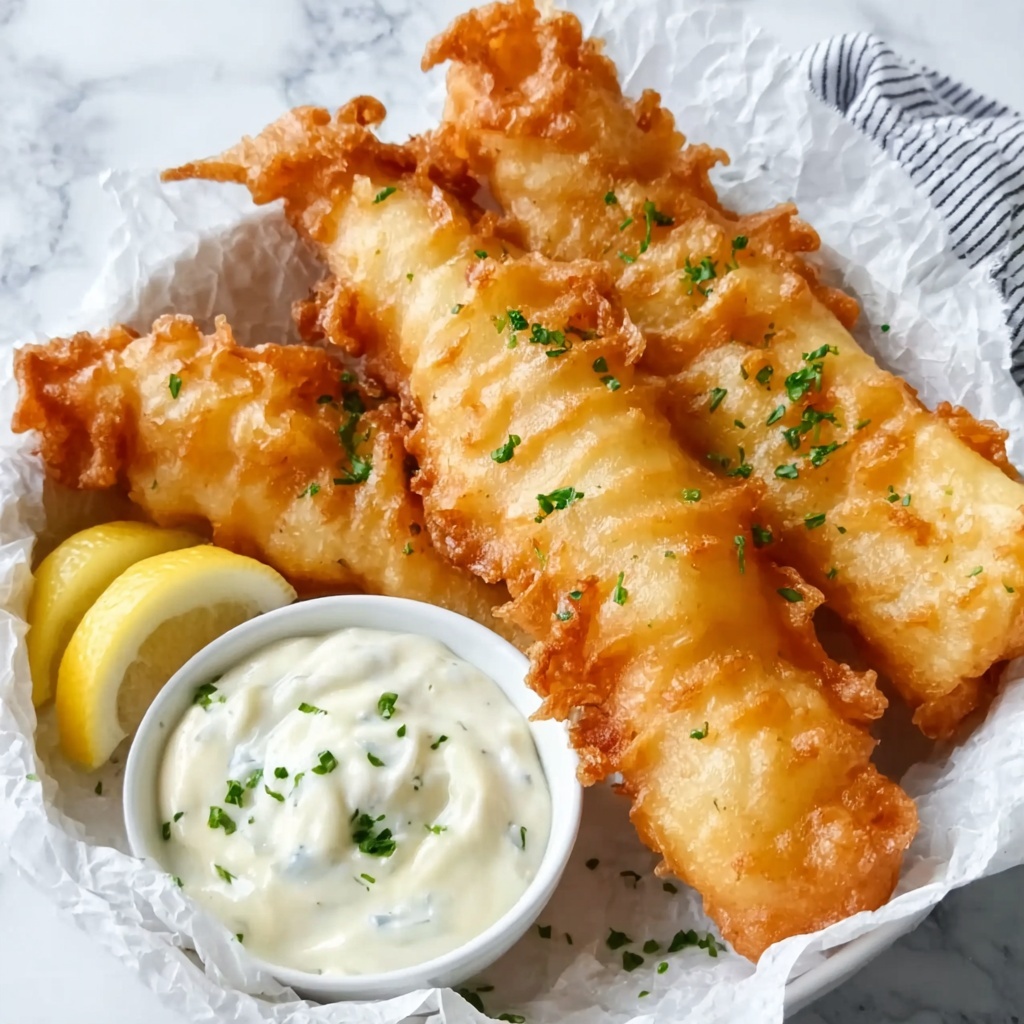
Nothing beats the satisfying crunch of perfectly fried fish, and with this Crispy Fish Batter Recipe, you’re just moments away from creating golden, delicate, and utterly irresistible fish fillets. This batter is light and airy thanks to the sparkling water, with a hint of flavorful spices that elevate each bite. Whether you’re whipping up a quick weeknight dinner or impressing friends with a classic fish-and-chips feel, this Crispy Fish Batter Recipe delivers that pub-quality crunch right in your own kitchen.
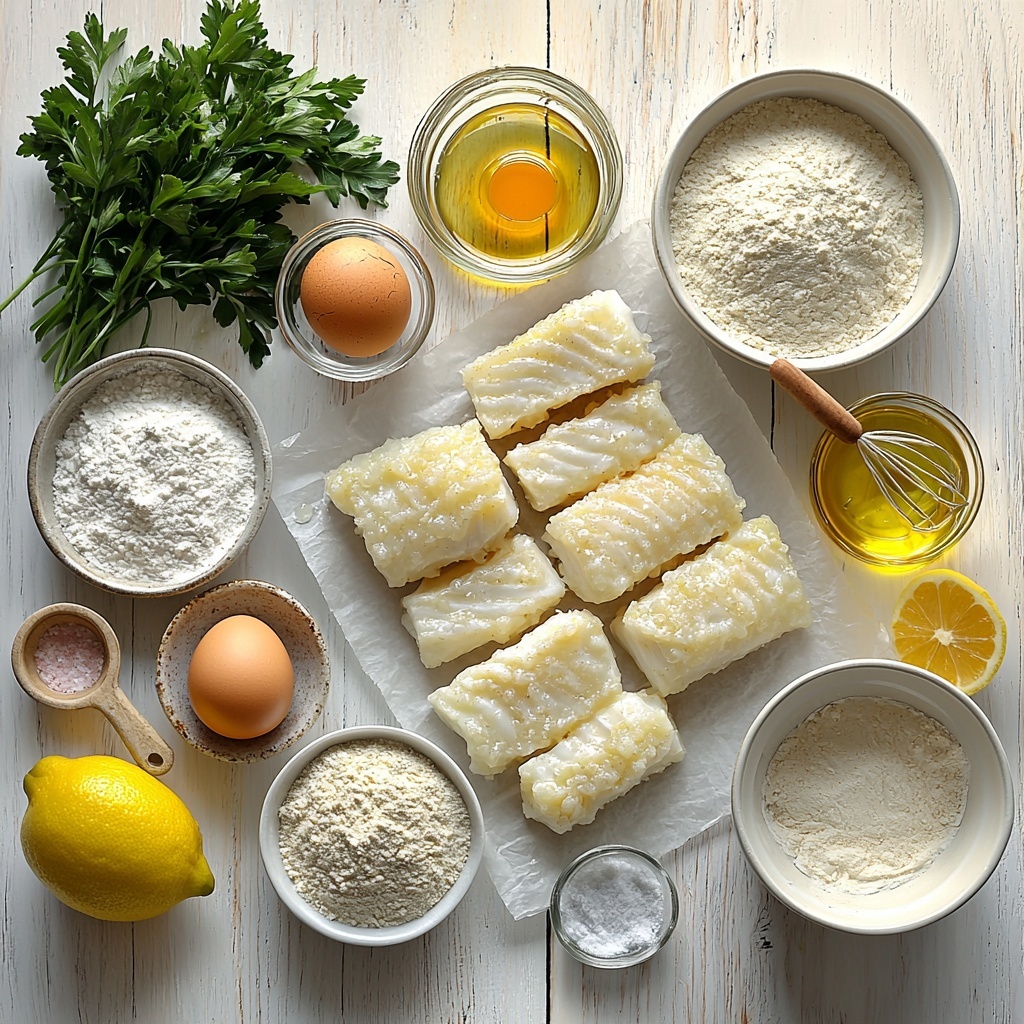
Ingredients You’ll Need
Don’t let the simplicity of these ingredients fool you; each one plays a vital role in crafting the perfect batter. From the fluffy texture brought by baking powder to the crisp lightness of cornstarch and the subtle paprika flavor, this combination is essential for that crave-worthy finish.
- All-purpose flour (1 cup / 120 g): The backbone of the batter, providing structure and body.
- Cornstarch (½ cup / 60 g): Critical for extra crispiness and a delicate texture.
- Baking powder (1 teaspoon): Helps the batter rise and become airy as it fries.
- Baking soda (½ teaspoon, optional): Adds an extra lift for crunch, especially if you prefer your batter a bit lighter.
- Salt (1 teaspoon): Essential for seasoning and enhancing all the flavors.
- Paprika (½ teaspoon, optional): Adds a subtle smoky flavor and lovely color.
- Garlic powder (¼ teaspoon, optional): For a gentle depth of savory flavor.
- Sparkling water or club soda (1 cup / 240 ml, well chilled): The secret to a batter that puffs up with crisp bubbles.
- Egg yolk (1 large): Adds richness and helps bind the batter ingredients together.
- White fish fillets (4 pieces): Choose firm, mild fish like cod, haddock, tilapia, or pollock.
- All-purpose flour (1 cup / 120 g) for dredging: Creates a dry surface for the batter to stick.
- Vegetable oil (for deep frying): Canola or sunflower oil works best for a clean, high-heat fry.
How to Make Crispy Fish Batter Recipe
Step 1: Prepare the Fish
Start by patting your fish fillets completely dry—any moisture on the surface will prevent the batter from adhering properly. Next, lightly dredge them in flour and shake off any excess flour. This creates the perfect base for the crispy batter to cling to, ensuring every piece is evenly coated and crunchy after frying.
Step 2: Heat the Oil
Fill a deep skillet or Dutch oven with at least two inches of vegetable oil and heat it to 350 °F (175 °C). Using a thermometer here is key to hitting the right temperature. If the oil is too hot, the batter burns before the fish cooks; if it’s too cool, the batter soaks up oil and becomes greasy. This balance makes all the difference between restaurant-quality and disappointment.
Step 3: Make the Batter
Whisk together the dry ingredients—flour, cornstarch, baking powder, optional baking soda, salt, paprika, and garlic powder. The cornstarch and baking powder work together to create that heavenly, light crisp you want on your fish. Slowly mix in the chilled sparkling water; the carbonation creates the tiny bubbles that puff up during frying. Finally, stir in the egg yolk, which brings a silky texture and helps bind the mixture perfectly.
Step 4: Coat and Fry
Dip each floured fillet into your batter, letting any excess drip back into the bowl. Carefully place the coated fish into the hot oil, but don’t crowd the pan — giving enough space ensures the oil temperature stays steady and the batter crisps beautifully. Fry each side for about 4 to 5 minutes, or until your fish is a gorgeous golden brown and the crust is crisp to the bite.
Step 5: Drain and Finish
Use a slotted spoon to lift out each fillet and transfer it to a wire rack or paper towels to drain. This keeps the crust crisp instead of soggy. Serve immediately, while the batter is still crackling with freshness and flavor.
How to Serve Crispy Fish Batter Recipe
Garnishes
Simple garnishes can elevate your dish instantly. Fresh parsley adds a bright, herbal note, while lemon wedges offer a zesty burst that cuts through the richness of the batter. And, of course, a splash of malt vinegar delivers that classic tang everyone loves with crispy fried fish.
Side Dishes
You can never go wrong with traditional sides like thick-cut chips or fries, fluffy mushy peas, or even a vibrant coleslaw for crunch and color contrast. These pairings create a deliciously balanced meal that everyone will enjoy, whether it’s a casual dinner or a weekend treat.
Creative Ways to Present
Looking to impress? Serve the fried fish atop a bed of lightly dressed greens and drizzled with a lemony aioli. Or wrap the crispy fillets in soft brioche buns with tartar sauce and pickles for a gourmet fish sandwich experience. Your Crispy Fish Batter Recipe is versatile and shines no matter how you plate it.
Make Ahead and Storage
Storing Leftovers
If you happen to have leftovers (though unlikely!), store your fried fish in an airtight container in the fridge. Keeping the fish on a wire rack inside the container will help preserve some crispness by allowing air to circulate.
Freezing
While freshly fried fish is best, you can freeze cooled, cooked fillets in a single layer on parchment paper before transferring to a freezer bag. This prevents them from sticking together and keeps the texture more intact when reheated.
Reheating
To bring back the crispness, reheat your fish in a hot oven or air fryer rather than the microwave. This method revives the texture instead of making the batter chewy or soggy, making every bite taste almost like fresh.
FAQs
Can I use regular water instead of sparkling water in this Crispy Fish Batter Recipe?
Regular water can be used, but sparkling water adds those tiny bubbles that make the batter lighter and crispier. Using chilled sparkling water is key for achieving that perfect texture in this recipe.
Is it necessary to add cornstarch to the batter?
Cornstarch is important because it creates a delicate, crisp crust when fried. Without it, the batter might end up thicker or chewier, so it’s highly recommended to include it for that light crunch.
Can I bake the fish instead of frying for this batter?
This batter is designed specifically for deep frying—it relies on hot oil to puff and crisp. Baking will not produce the same crispy texture, but you could try a lighter batter or breadcrumb coating if baking is preferred.
What type of fish works best with this Crispy Fish Batter Recipe?
Firm, white fish such as cod, haddock, tilapia, or pollock work beautifully. These fish hold up well to frying and complement the crispy coating with their mild flavor and flaky texture.
How do I know when the oil is at the right temperature for frying?
The ideal frying temperature is about 350 °F (175 °C). Using a kitchen thermometer is the best way to monitor this. If you don’t have one, test by dropping a small bit of batter into the oil—it should sizzle and rise immediately without burning quickly.
Final Thoughts
There’s just something endlessly satisfying about biting into golden, crispy fish that’s perfectly cooked inside and out. This Crispy Fish Batter Recipe is a foolproof way to achieve that crave-worthy crunch every time, with ingredients you probably already have on hand. So don’t wait — gather your fish and pantry staples, and treat yourself to this comfort classic that tastes like a celebration in every bite!
Print
Crispy Fish Batter Recipe
- Prep Time: 10 minutes
- Cook Time: 15 minutes
- Total Time: 25 minutes
- Yield: 4 servings
- Category: Main Course
- Method: Frying
- Cuisine: British
Description
This recipe for Crispy Fish Batter creates a light, golden, and crunchy coating perfect for white fish fillets like cod, haddock, or tilapia. Using a combination of all-purpose flour, cornstarch, and sparkling water along with a touch of baking powder and egg yolk, the batter fries up to a delicate and satisfying crisp. Ideal for classic fish and chips, this method ensures perfectly crispy, tender fish every time.
Ingredients
Batter Ingredients
- 1 cup (120 g) all‑purpose flour
- ½ cup (60 g) cornstarch
- 1 teaspoon baking powder
- ½ teaspoon baking soda (optional—for extra crispiness)
- 1 teaspoon salt
- ½ teaspoon paprika (optional—for flavor)
- ¼ teaspoon garlic powder (optional)
- 1 cup (240 ml) sparkling water or club soda, well‑chilled
- 1 large egg yolk
For Frying
- 4 fillets of white fish (e.g., cod, haddock, tilapia, or pollock), rinsed and patted dry
- 1 cup (120 g) all‑purpose flour for dredging
- Vegetable oil (canola or sunflower) for deep frying
Optional Garnishes
- Fresh parsley
- Lemon wedges
- Malt vinegar (for classic fish‑and‑chips flair)
Instructions
- Dry & Dredge: Pat the fish fillets completely dry—this step is crucial for the batter to adhere properly. Lightly coat each fillet in the dredging flour and shake off any excess to create a dry surface for the batter.
- Heat Oil: Fill a deep skillet or Dutch oven with at least 2 inches of vegetable oil. Heat the oil to 350 °F (175 °C), using a thermometer for accurate temperature. Maintaining this temperature ensures a crisp, non-greasy finish without burning.
- Mix Batter: In a bowl, whisk together all the dry batter ingredients: flour, cornstarch, baking powder, baking soda (if using), salt, paprika, and garlic powder. Slowly incorporate the chilled sparkling water while whisking, followed by the egg yolk, stirring until the batter is smooth and light. The carbonation in the sparkling water helps achieve a crispy texture.
- Coat & Fry: Dip each dredged fish fillet into the prepared batter, allowing any excess to drip off. Carefully lower the fillets into the hot oil, making sure not to overcrowd the pan to keep the temperature steady. Fry each side for about 4–5 minutes until the batter is golden brown and crisp, and the fish is cooked through.
- Drain & Serve: Remove the fried fish using a slotted spoon and let it drain on a wire rack or paper towels to remove excess oil. Serve immediately garnished with fresh parsley, lemon wedges, and malt vinegar for a traditional fish-and-chips experience.
Notes
- Ensure the fish fillets are patted completely dry before dredging to help the batter adhere better.
- Use a thermometer to maintain the oil temperature around 350 °F for the best frying results.
- Do not overcrowd the frying pan as it lowers the oil temperature and leads to soggy batter.
- Substitute sparkling water with club soda if preferred; the carbonation is key for crispiness.
- The optional baking soda adds extra crispness but can be omitted if unavailable.
- Use a neutral oil with a high smoke point, such as canola or sunflower oil, for frying.
- Serve immediately for the best crispy texture; leftover fried fish tends to soften.