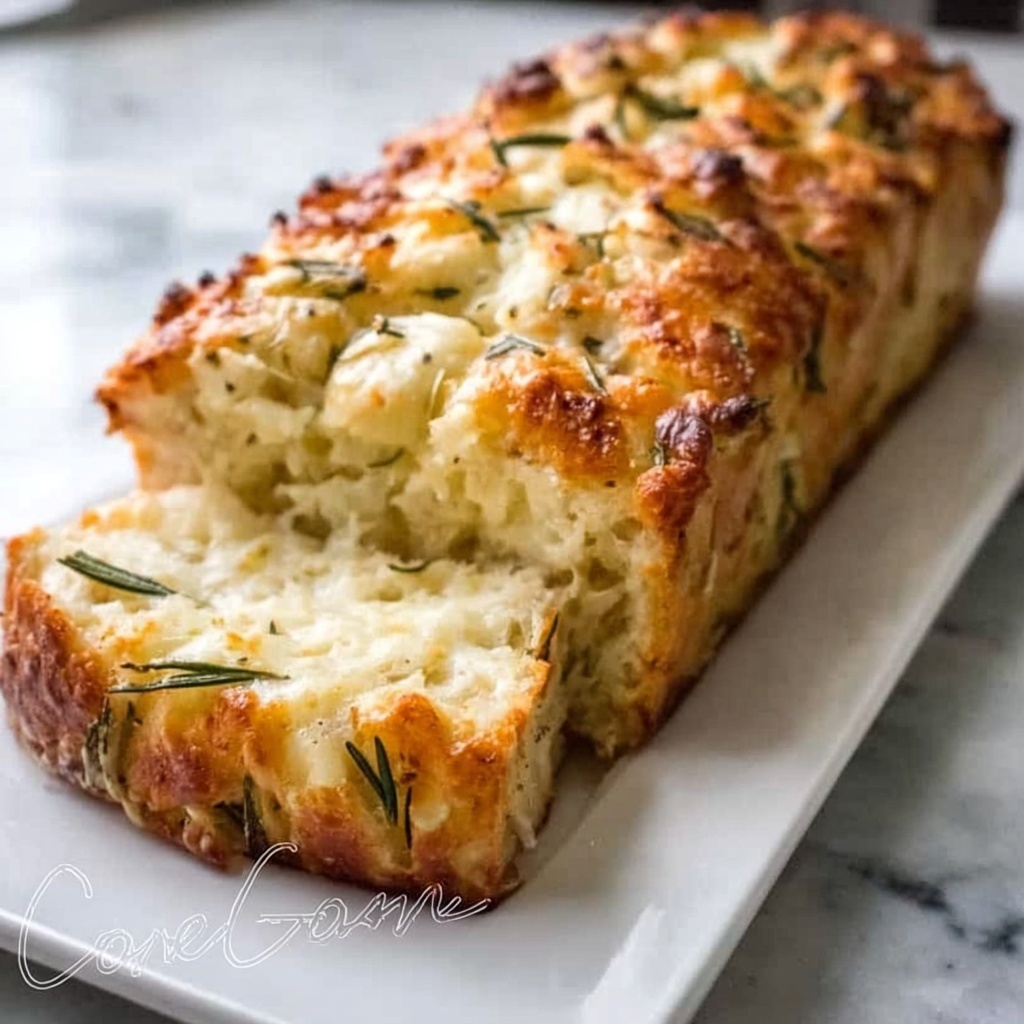
If you’ve ever dreamed of a bread that’s not only aromatic but also irresistibly tender and fun to eat, then this Rosemary Garlic Pull Apart Bread Recipe is going to steal your heart and your kitchen’s spotlight. Imagine golden, crispy edges meeting soft, buttery layers infused with fragrant rosemary and garlicky goodness, baked to perfection and waiting to be pulled apart piece by piece. It’s the ultimate crowd-pleaser for family dinners, brunches, or cozy nights in, offering a warm, savory hug with every bite.
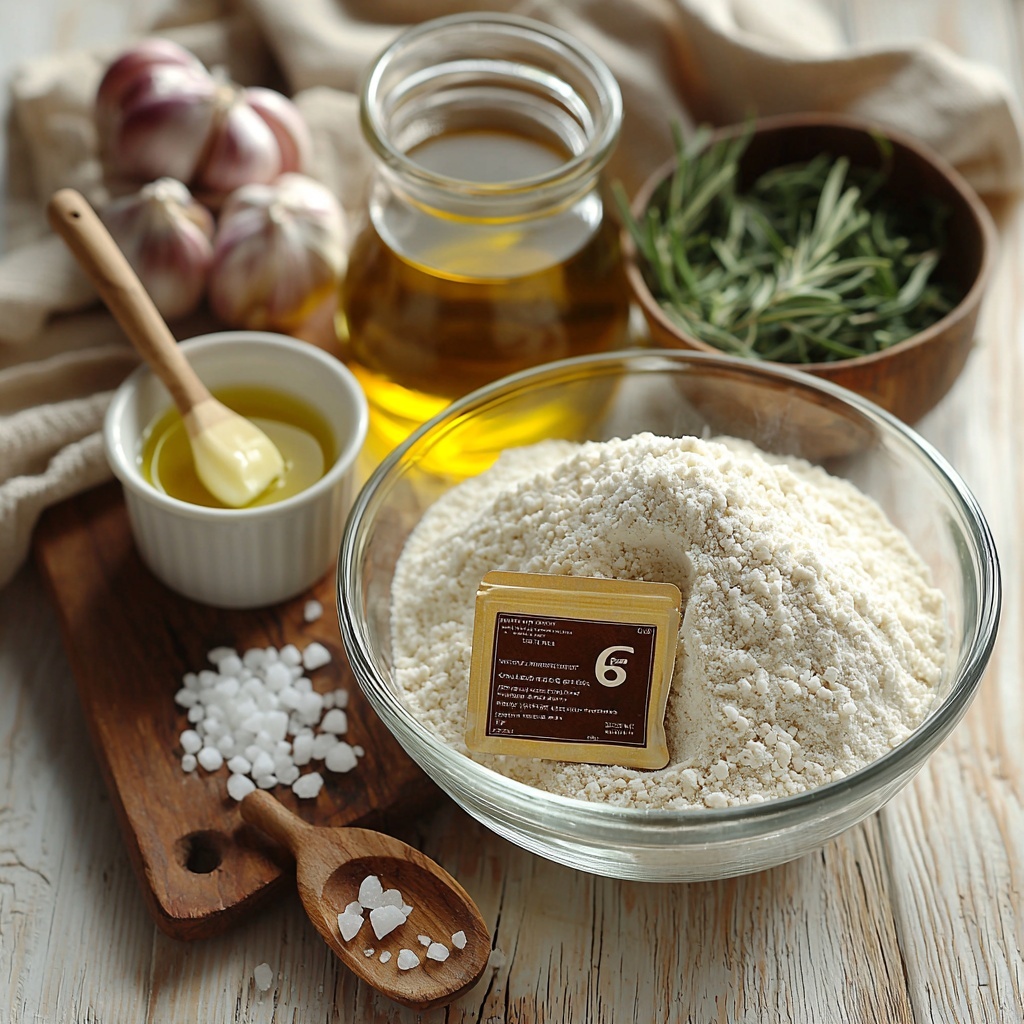
Ingredients You’ll Need
Gathering simple, fresh ingredients is what makes this Rosemary Garlic Pull Apart Bread Recipe shine. Each element plays a crucial role: the flour creates structure, yeast brings life and fluffiness, and the garlic and rosemary infuse every bite with mouthwatering flavor and fragrance.
- 4 cups all-purpose flour: The backbone of your bread, providing the perfect texture and chew.
- 1 packet (2 1/4 tsp) active dry yeast: Essential for that beautiful rise and airy crumb.
- 1 1/2 cups warm water (110°F): Wakes up the yeast and helps create the dough.
- 2 tbsp sugar: Feeds the yeast and adds a subtle touch of sweetness.
- 1 tsp salt: Balances flavor and enhances the dough’s taste.
- 2 tbsp olive oil: Adds moisture and a delicate richness to the dough.
- 1/2 cup unsalted butter, melted: The rich base for the garlic rosemary butter, soaking every bite in flavor.
- 4 cloves garlic, minced: Provides that punch of wonderful aroma and savory depth.
- 2 tbsp fresh rosemary, chopped: Fresh herbs that bring an earthy, piney note that pairs perfectly with the garlic.
- 1/2 tsp salt: Enhances the butter’s flavor and balances the garlic and rosemary.
How to Make Rosemary Garlic Pull Apart Bread Recipe
Step 1: Activate the Yeast
Start by combining warm water, sugar, and active dry yeast in a small bowl. Let this sit for 5 to 10 minutes until it becomes frothy and bubbly—a clear sign that the yeast is alive and ready to work its magic on the dough.
Step 2: Mix the Dough
In a large bowl, stir together the flour and salt to ensure even seasoning. Gradually add the frothy yeast mixture along with the olive oil. Mix everything until it starts coming together as a soft dough, preparing it for kneading.
Step 3: Knead Until Smooth
Transfer the dough onto a lightly floured surface and knead with both hands for about 8 to 10 minutes. This is where the dough transforms into a smooth, elastic ball that’s just right for rising—firm yet pliable, ready to hold in all those beautiful air bubbles.
Step 4: Let the Dough Rise
Place the dough in a greased bowl and cover it with a damp cloth or plastic wrap. Set it aside in a warm spot and patiently wait for about an hour or until it doubles in size. This rising is vital for that airy, tender crumb we all love in pull-apart bread.
Step 5: Preheat Oven and Prepare Garlic Rosemary Butter
While the dough is rising, preheat your oven to 375°F (190°C). In a separate bowl, combine melted butter with minced garlic, chopped fresh rosemary, and salt. This luscious garlic rosemary butter will soak every piece of bread with incredible flavor.
Step 6: Shape and Layer the Dough
After the dough has doubled, punch it down to release excess air. Then divide it into small, bite-sized pieces. Dip each piece generously into the garlic rosemary butter and arrange the pieces snugly in a greased bundt pan. Pour any leftover butter over the top to ensure every nook and cranny is drenched in flavor.
Step 7: Final Rise and Bake
Allow your bread to rest and rise again in the bundt pan for another 30 minutes. This second rise guarantees the bread will be soft and fluffy. Bake for 25 to 30 minutes until it turns a golden brown and the aroma fills your kitchen with pure happiness. Let it cool slightly, then prepare to pull apart and share!
How to Serve Rosemary Garlic Pull Apart Bread Recipe
Garnishes
If you want to add an extra touch of freshness and color, sprinkle the freshly baked bread with a few more chopped rosemary leaves or a light dusting of coarse sea salt. These simple garnishes enhance both the taste and look, making your bread even more inviting.
Side Dishes
This Rosemary Garlic Pull Apart Bread Recipe pairs wonderfully with vibrant salads, hearty soups, or roasted vegetables. The rich garlic butter makes it a perfect match for dishes that could use a flavorful companion to sop up delicious sauces or dips.
Creative Ways to Present
Serve this bread in a rustic wooden bowl or on a beautiful platter surrounded by small dishes of olive oil, balsamic vinegar, or even creamy hummus for dipping. You can also insert a few sprigs of fresh rosemary into the center of the bread ring for a charming centerpiece effect that will impress guests.
Make Ahead and Storage
Storing Leftovers
Store any leftover bread in an airtight container at room temperature for up to two days to preserve its soft texture. If the edges begin to harden, warming a slice slightly in the oven or microwave will restore its deliciousness.
Freezing
This bread freezes wonderfully. Wrap the cooled bread tightly in plastic wrap and then in aluminum foil before placing it in the freezer. It can keep well for up to two months, letting you enjoy this savory treat whenever the craving hits.
Reheating
To reheat, unwrap the thawed bread and place it in an oven preheated to 350°F (175°C) for about 10 minutes. This brings back its crispy golden crust and melty, buttery center just like fresh from the oven.
FAQs
Can I use dried rosemary instead of fresh?
Yes, but fresh rosemary really elevates this Rosemary Garlic Pull Apart Bread Recipe with its vibrant aroma and flavor. If you use dried, reduce the amount by half since dried herbs are more concentrated.
Is active dry yeast necessary for this recipe?
Active dry yeast is recommended because it helps the dough rise beautifully, but you can substitute with instant yeast. Just remember to adjust the activation process accordingly.
Can I make this recipe gluten-free?
While this specific recipe relies on all-purpose flour for texture, you can experiment with gluten-free flour blends designed for bread baking. The texture might differ slightly, but the flavors will still shine.
What if I don’t have a bundt pan?
No worries! You can arrange the dough pieces in a greased round cake pan or even a cast-iron skillet. The presentation might vary, but the taste will still be heavenly.
How long does the dough need to rise?
The dough typically needs about an hour to double in size for the first rise and an additional 30 minutes after shaping. This timing can vary slightly depending on your kitchen’s temperature.
Final Thoughts
This Rosemary Garlic Pull Apart Bread Recipe is one of those easy-to-love recipes that quickly becomes a staple in your baking repertoire. Its irresistible combination of fragrant herbs, rich garlic butter, and tender, pull-apart texture makes it perfect for sharing and savoring again and again. Trust me, once you’ve tasted this golden goodness fresh from the oven, you’ll be reaching for the recipe time and time again.
Print
Rosemary Garlic Pull Apart Bread Recipe
- Prep Time: 20 minutes
- Cook Time: 30 minutes
- Total Time: 1 hour 50 minutes
- Yield: 12 servings
- Category: Bread
- Method: Baking
- Cuisine: American
Description
This Rosemary Garlic Pull Apart Bread recipe features soft, fluffy dough infused with fragrant garlic and fresh rosemary, baked to a crispy golden perfection. Perfect for sharing, this bread is ideal as a side for dinner or as a flavorful snack, offering a delightful combination of aromatic herbs and buttery goodness.
Ingredients
For the Dough:
- 4 cups all-purpose flour
- 1 packet (2 1/4 tsp) active dry yeast
- 1 1/2 cups warm water (110°F)
- 2 tbsp sugar
- 1 tsp salt
- 2 tbsp olive oil
For the Garlic Rosemary Butter:
- 1/2 cup unsalted butter, melted
- 4 cloves garlic, minced
- 2 tbsp fresh rosemary, chopped
- 1/2 tsp salt
Instructions
- Activate Yeast: In a small bowl, combine warm water, sugar, and yeast. Let it sit for 5-10 minutes until frothy, indicating the yeast is active.
- Prepare Dough: In a large mixing bowl, mix together the flour and salt. Add the yeast mixture and olive oil, stirring until a rough dough forms.
- Knead Dough: Turn the dough onto a floured surface and knead for 8-10 minutes until smooth and elastic, developing the gluten structure needed for good rise.
- First Rise: Place the dough in a greased bowl, cover with a damp cloth, and allow it to rise in a warm, draft-free spot for 1 hour, or until doubled in size.
- Preheat Oven: Preheat your oven to 375°F (190°C) while the dough completes its first rise.
- Make Garlic Rosemary Butter: In a separate bowl, combine melted butter, minced garlic, chopped rosemary, and salt, mixing well to infuse the flavors.
- Shape Bread: Punch down the risen dough and divide it into small pieces. Dip each piece into the garlic rosemary butter and arrange them evenly in a greased Bundt pan.
- Second Rise: Pour any remaining garlic rosemary butter over the dough pieces in the pan. Cover and let the dough rise again for about 30 minutes until slightly puffy.
- Bake: Bake the bread for 25-30 minutes, or until the top is golden brown and cooked through.
- Cool and Serve: Allow the bread to cool slightly in the pan before removing and serving warm. Pull apart the bread pieces for a flavorful bite every time.
Notes
- Ensure the water is warm but not hot (around 110°F) to properly activate the yeast without killing it.
- Use fresh rosemary for the best aromatic flavor.
- Butter can be substituted with olive oil for a lighter option, but the flavor will be less rich.
- This bread is best served warm and fresh, but leftovers can be reheated in the oven for a few minutes to refresh the crispiness.
- If you prefer, add a sprinkle of Parmesan cheese on top before baking for an extra savory touch.