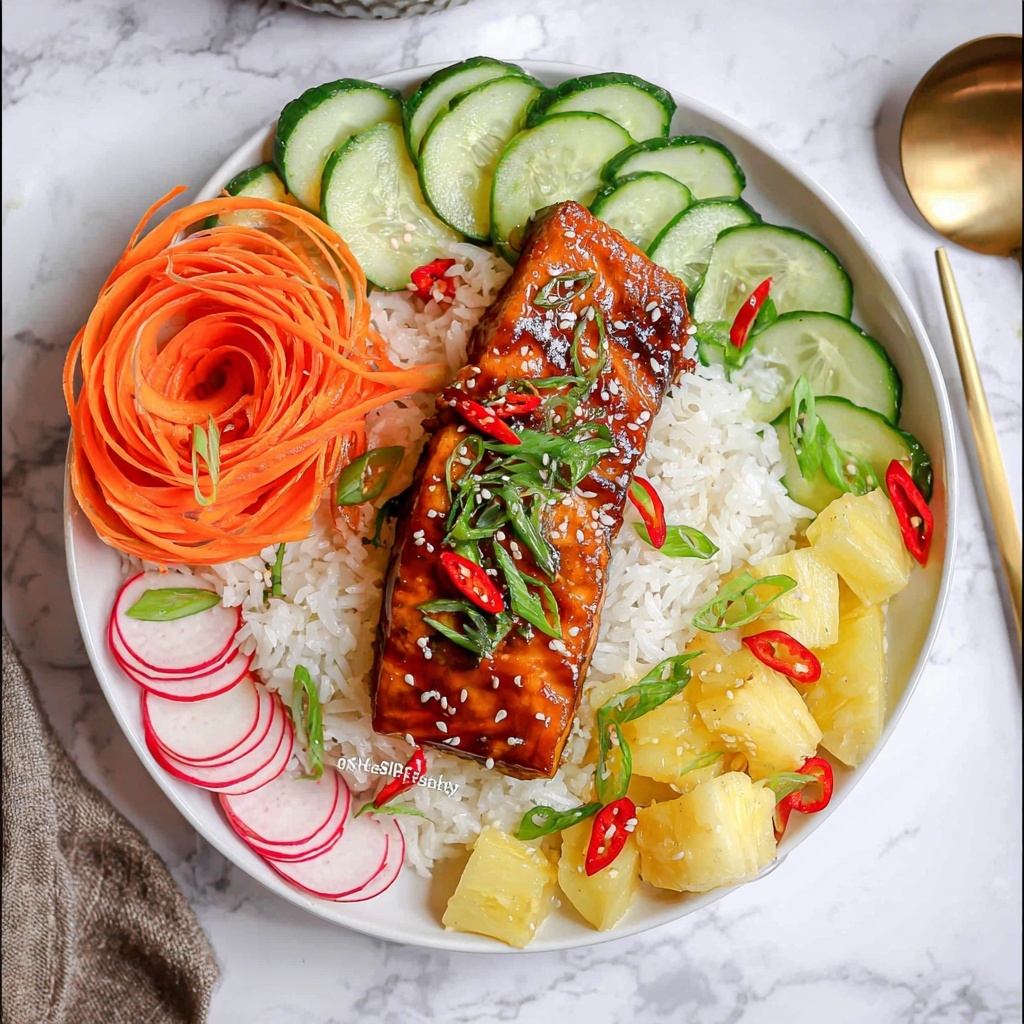
If you’re on the hunt for a dish that dazzles with bold umami flavors, this Baked Miso Salmon Recipe is about to become your new weeknight hero. The marriage of rich miso, subtle sweetness from honey and brown sugar, and a touch of spicy charm creates a lacquered glaze that turns simple salmon fillets into a luscious, restaurant-worthy meal. This recipe is straightforward enough for even busy cooks to whip up, yet special enough to impress any dinner guest. Once you master this technique, your appreciation for salmon will soar, and making Baked Miso Salmon will become a delicious tradition in your kitchen.
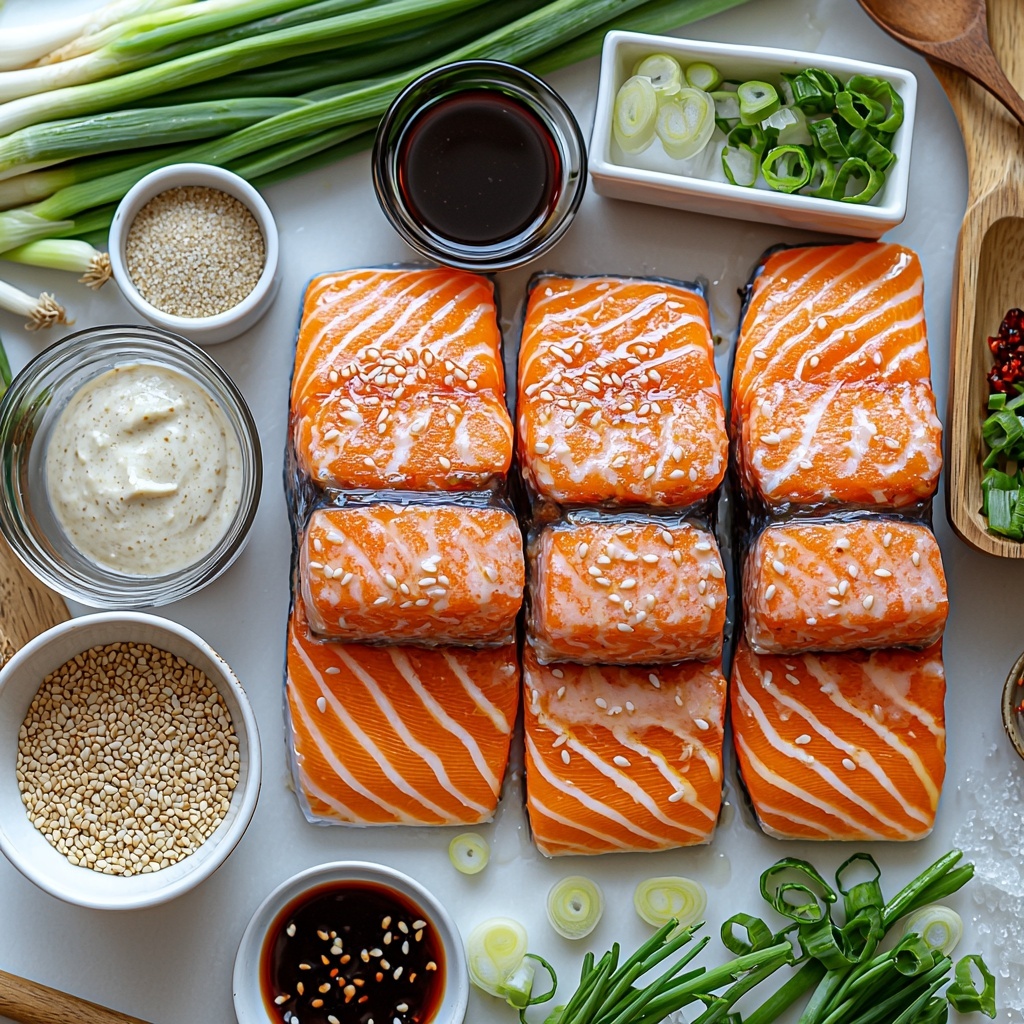
Ingredients You’ll Need
Each ingredient in this recipe plays a starring role to ensure a perfect balance of savory, sweet, and tangy notes while keeping the salmon tender and flaky. These essentials are easy to find and come together to create an irresistible glaze and marinade.
- Salmon fillets: Choose 4 skin-on fillets, about 6 to 8 ounces each, for optimum flavor and texture.
- White miso: A salty, fermented soybean paste that provides the rich umami base.
- Japanese rice wine (mirin): Adds sweetness and depth; if you don’t have it, sweet sake or a touch more sugar can work.
- Reduced sodium soy sauce: Balances saltiness while keeping the dish from becoming too overpowering.
- Rice vinegar: Brings a clean, bright acidity to balance the glaze’s sweetness.
- Brown sugar: Offers caramel notes that meld beautifully with the miso.
- Toasted sesame seed oil: Adds a warm nuttiness to the marinade.
- Asian chili sauce: Provides just the right hint of heat; adjust to your spice preference.
- Honey: For glazing, it gives a glossy, sticky finish that attracts the eye and taste buds.
- Green onions: Fresh garnish that adds crunch and a mild onion flavor.
- Toasted sesame seeds: For a nutty texture and pretty presentation.
How to Make Baked Miso Salmon Recipe
Step 1: Whisk Together the Marinade
Start by combining the white miso, mirin, soy sauce, rice vinegar, brown sugar, toasted sesame oil, and Asian chili sauce in a small bowl. Whisk everything together until smooth. This marinade is your secret weapon, bringing that irresistible umami with a perfect balance of sweet and a little spice.
Step 2: Prepare the Miso Glaze
Reserve about 3 tablespoons of the marinade and stir in 2 tablespoons of water and 1 teaspoon of honey. This glaze will later become the beautiful, shiny coating on your salmon. Adjust the honey amount if you prefer your glaze a touch sweeter.
Step 3: Marinate the Salmon
Pat your salmon fillets dry and place them skin-side down in a shallow dish. Brush the miso marinade generously on the top and sides of the salmon. Cover and refrigerate for 1 to 2 hours if your fillets are about an inch thick; thicker cuts benefit from even longer, up to 3 or 4 hours. Before baking, bring the salmon to room temperature for about 30 minutes so it cooks evenly.
Step 4: Prepare Baking Pan
Line a baking sheet or large pan with foil—this will make cleanup a breeze. Transfer the salmon fillets to the pan, spacing them at least an inch apart. Wipe off any excess marinade from the salmon to avoid burning during cooking. This simple step keeps the glaze from becoming bitter.
Step 5: Bake and Broil the Salmon
Bake uncovered at 400 degrees Fahrenheit for 8 to 10 minutes depending on thickness (8 minutes for a one-inch fillet, longer for thicker pieces). Then finish by broiling for 3 to 5 minutes. Use a digital probe thermometer to check for doneness—the thickest part of the salmon should register 125 to 130 degrees Fahrenheit for perfectly tender, moist fish.
Step 6: Apply the Glaze and Garnish
Brush the salmon with your reserved miso glaze to create that gorgeous shiny finish. Sprinkle with chopped green onions and toasted sesame seeds for a vibrant contrast in color and texture. This final touch not only looks stunning but also adds fresh brightness and crunch.
How to Serve Baked Miso Salmon Recipe
Garnishes
Green onions and toasted sesame seeds are classic garnishes that add freshness and a subtle nutty crunch. You can also experiment with thinly sliced radishes or a sprinkle of finely chopped fresh cilantro for an extra layer of flavor and color.
Side Dishes
Pair this salmon with steamed jasmine rice or fluffy sticky rice to soak up the flavorful glaze. Lightly sautéed bok choy, steamed broccoli, or roasted asparagus with a drizzle of sesame oil create balanced, healthy sides that complement the fish perfectly.
Creative Ways to Present
For a stunning presentation, serve the salmon atop a bed of crisp mixed greens tossed with a sesame vinaigrette. You can also arrange several smaller fillets on a wooden board with lemon wedges and fresh herbs for a family-style feast that invites everyone to dig in.
Make Ahead and Storage
Storing Leftovers
Place any leftover baked miso salmon in an airtight container and refrigerate for up to 2 days. The flavors continue to develop, making it a tasty option for next-day lunches or quick dinners.
Freezing
The best way to freeze this salmon is before cooking. Marinate the fillets and then freeze them in a sealed bag or container. When ready to eat, thaw overnight in the fridge and bake as directed. Cooked leftovers don’t freeze as well since the texture can change.
Reheating
To reheat, gently warm the salmon in a low oven (around 275 degrees Fahrenheit) for 10 to 15 minutes until warmed through. Avoid the microwave to preserve that beautiful glaze and flaky texture. You can add a quick brush of extra miso glaze before serving to freshen it up.
FAQs
Can I use other types of fish for this Baked Miso Salmon Recipe?
Absolutely! While salmon is ideal due to its rich and oily flesh, you can try this recipe with cod, halibut, or even swordfish. Just adjust cooking times since leaner fish cook faster.
Is it necessary to marinate the salmon for several hours?
Marinating for at least 1 hour allows the miso flavors to deeply infuse the salmon, but if you’re short on time, even 30 minutes helps add good flavor. Longer marination will yield a more pronounced umami taste.
Can I make the miso glaze without honey?
Yes, you can substitute honey with maple syrup or agave nectar for a similar sweetness and glaze texture. The key is having a sweetener that helps caramelize the glaze during cooking.
What if I don’t have mirin on hand?
Mirin adds subtle sweetness and acidity, but if unavailable, mix a tablespoon of sake or dry white wine with a little extra sugar or honey as a substitute. Rice vinegar alone is too tart, so balancing with sweetness is important.
How do I know when the salmon is perfectly cooked?
The best method is using a digital thermometer; the thickest part should register around 125 to 130 degrees Fahrenheit for tender, moist salmon. It will continue cooking a little after being removed from the oven, so avoid overbaking.
Final Thoughts
This Baked Miso Salmon Recipe is a shining example of how simple ingredients and a bit of patience can create a dish that feels indulgent yet wholesome. It’s perfect for those cozy nights when you want something quick but special, or when entertaining friends who appreciate flavor that sings. Give it a try—you might just find this becoming one of your most requested meals!
Print
Baked Miso Salmon Recipe
- Prep Time: 2 hours 30 minutes
- Cook Time: 18 minutes
- Total Time: 2 hours 48 minutes
- Yield: 4 servings
- Category: Main Dish
- Method: Baking
- Cuisine: Japanese
- Diet: Low Salt
Description
This Baked Miso Salmon recipe features tender, flaky salmon fillets marinated in a savory white miso glaze, then baked and broiled to perfection. The marinade combines Japanese rice wine, soy sauce, rice vinegar, brown sugar, sesame oil, and a hint of Asian chili sauce, delivering a umami-packed and slightly sweet flavor. Garnished with green onions and toasted sesame seeds, this dish is easy to prepare, elegant, and perfect for a healthy weeknight dinner or special occasion.
Ingredients
Salmon
- 4 skin-on salmon fillets (6–8 oz each)
Marinade
- 1/4 cup white miso
- 2 tablespoons Japanese rice wine (mirin)
- 2 tablespoons reduced sodium soy sauce
- 1 tablespoon unseasoned rice vinegar
- 1 tablespoon brown sugar
- 1 teaspoon toasted sesame seed oil
- 1 teaspoon Asian chili sauce (like Sambal Oelek, adjust to taste)
Glaze
- 3 tablespoons reserved marinade
- 2 tablespoons water
- 1 teaspoon honey (add more for sweetness)
Garnish
- Green onions, sliced
- Toasted sesame seeds
Instructions
- Make Marinade: In a small bowl, whisk together the white miso, mirin, reduced sodium soy sauce, rice vinegar, brown sugar, toasted sesame seed oil, and Asian chili sauce until smooth and well combined.
- Make Miso Glaze: Reserve 3 tablespoons of the prepared marinade and transfer it to a separate small bowl. Add 2 tablespoons of water and 1 teaspoon of honey to this reserved portion, mixing well to create a sweet miso glaze. Adjust the honey to your preferred sweetness level.
- Marinate Salmon: Pat the salmon fillets dry with paper towels. Place them skin-side down in a shallow dish such as a 9×9 baking dish. Brush the marinade evenly over the top and sides of each fillet. Cover the dish and refrigerate for 1 to 2 hours if the fillets are about 1 inch thick; for thicker cuts, marinate closer to 3 to 4 hours. Remove from the fridge and let the salmon sit at room temperature for 30 minutes before cooking.
- Prepare Pan: Line a small baking sheet or large pan with aluminum foil for easy cleanup. Transfer the salmon fillets to the pan, leaving at least 1 inch of space between each piece. Wipe off any excess marinade from the fillets to prevent burning during baking.
- Bake and Broil Salmon: Preheat your oven to 400°F (204°C). Insert a digital probe thermometer into the thickest part of one fillet to monitor internal temperature. Bake the salmon uncovered for 8 minutes if fillets are 1 inch thick, or up to 10 minutes for thicker cuts. Then switch the oven to broil and broil the salmon for an additional 3 to 5 minutes until the internal temperature reaches 125-130°F (52-54°C) and the surface is slightly caramelized.
- Glaze and Garnish: Remove the salmon from the oven and brush each fillet generously with the reserved miso glaze. Garnish with sliced green onions and toasted sesame seeds for added flavor and a beautiful presentation. Serve immediately and enjoy!
Notes
- Use Japanese rice wine (mirin) for authentic flavor; if unavailable, you can substitute with a mixture of dry sherry and sugar.
- Adjust the amount of Asian chili sauce to your preferred spice level or omit entirely for a milder taste.
- Allowing the salmon to come to room temperature before cooking helps it cook evenly.
- Checking the internal temperature with a digital probe ensures perfectly cooked, moist salmon without overcooking.
- Wiping off excess marinade before baking prevents it from burning and developing a bitter taste.