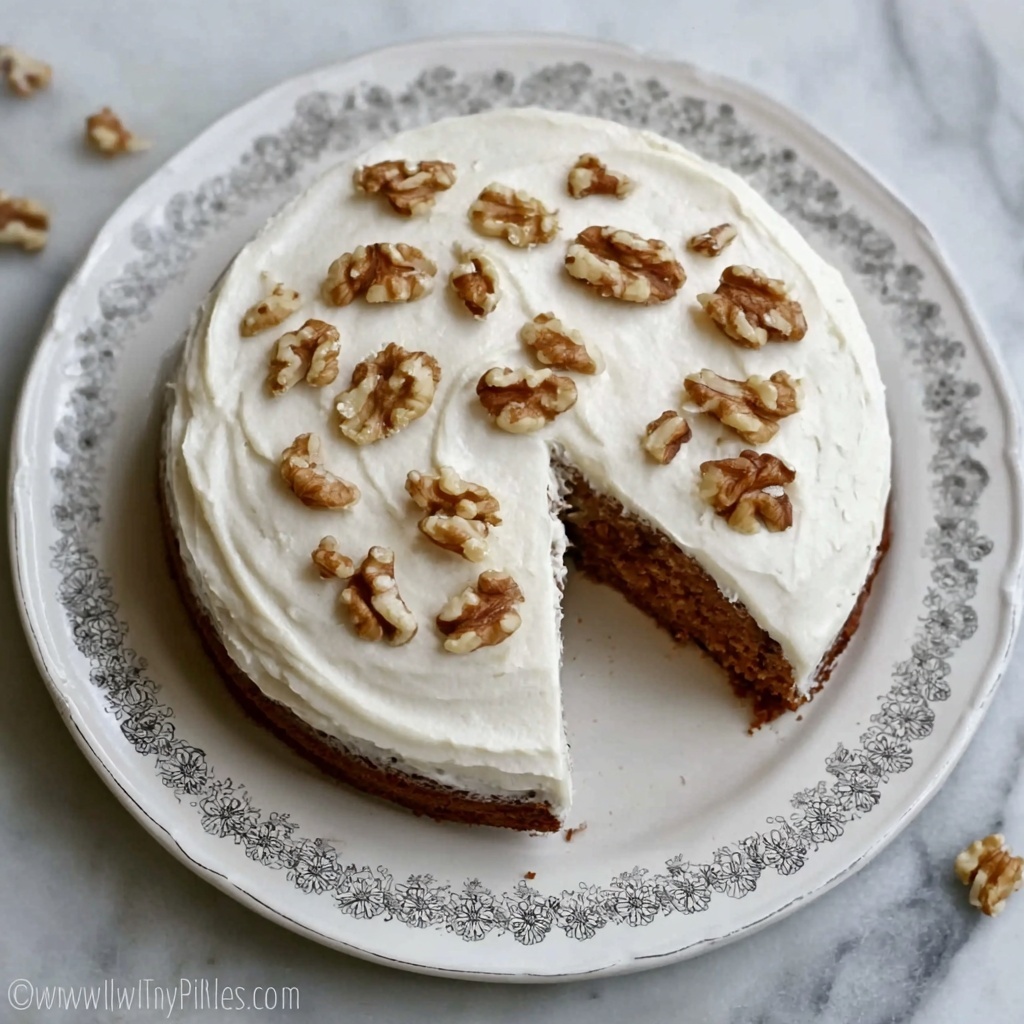
If you’re on the lookout for a moist, flavorful treat that celebrates wholesome ingredients, you’re going to love this Gluten-Free Amaranth Cake Recipe. It’s got that perfect balance of nutty amaranth flour and a tender crumb that feels both light and satisfying. Whether you’re gluten-intolerant or simply want to try something new and nourishing, this cake delivers a delicious experience from the first bite to the last crumb.
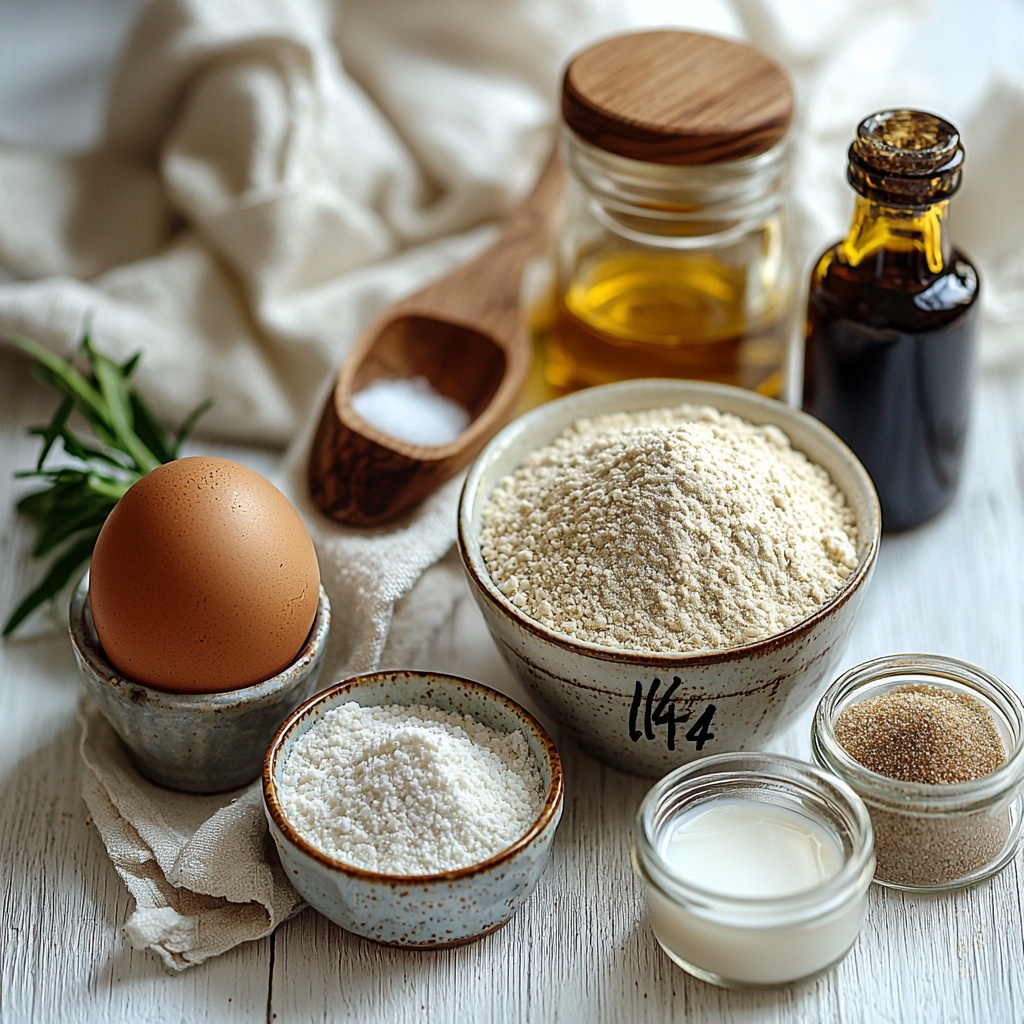
Ingredients You’ll Need
The magic behind this Gluten-Free Amaranth Cake Recipe lies in its straightforward yet thoughtfully chosen ingredients. Each component plays a vital role in creating the perfect texture, flavor, and rise that make this cake such a standout.
- 1 cup amaranth flour (fine grind, sifted): Adds a lovely nutty flavor and dense, wholesome texture that’s naturally gluten-free.
- 1 cup gluten-free measure-for-measure flour (with xanthan gum): Provides structure and a tender crumb, mimicking traditional wheat flour’s role.
- 1 tablespoon baking powder (aluminum-free): Essential for giving the cake its airy lift and fluffy texture.
- ½ teaspoon baking soda (fresh): Helps balance the rise with a gentle leavening effect.
- 1 large egg (room temperature): Binds the ingredients together while adding richness and moisture.
- ⅓ cup neutral oil (refined avocado oil): Keeps the cake moist without overpowering the flavor.
- ⅓ cup granulated sweetener (coconut sugar): Sweetens naturally and adds a subtle depth with its caramel undertones.
- 1 teaspoon vanilla extract (pure): Enhances the overall aroma and flavor complexity.
- 1 cup milk or plant milk (unsweetened almond milk): Adds moisture and blends the flavors beautifully.
- ½ teaspoon salt (fine table salt): Balances sweetness and elevates the other flavors.
How to Make Gluten-Free Amaranth Cake Recipe
Step 1: Combine Your Dry Ingredients
Start by sifting together the amaranth flour, gluten-free measure-for-measure flour, baking powder, baking soda, and salt into a large bowl. This step is more important than it seems because sifting incorporates air, ensuring your cake will be light and fluffy, and removes any lumps that could affect the texture of your batter.
Step 2: Whisk the Wet Ingredients Together
In a separate bowl, whisk the egg, granulated sweetener, neutral oil, and vanilla extract until the mixture is silky and starts to form ribbons when lifted with your whisk. This aerates the mixture, helping your cake gain an airy crumb that’s not dense or heavy.
Step 3: Fold Dry Ingredients into Wet – Gently
Carefully fold half of your dry ingredients into the wet mixture using a spatula. Once combined, fold in the remaining dry mix. The key here is gentle folding rather than vigorous stirring to keep all that lovely air trapped inside your batter — overmixing can lead to a dense cake, which is exactly what we don’t want.
Step 4: Scrape the Bowl’s Edges
Use your spatula to scrape down the sides of the bowl to make sure all the dry ingredients are fully incorporated. This attention to detail avoids any pockets of flour hiding in your cake after baking.
Step 5: Prepare Your Cake Pan
Lightly oil an eight-inch cake pan and pour your batter into it. Gently spread the batter evenly with your spatula to ensure the cake cooks uniformly without doming unevenly or baking inconsistently.
Step 6: Bake with Patience
Place your cake pan on the center rack of a preheated oven at 350°F. Bake for about 35 minutes, but don’t rush – check for doneness with a toothpick inserted near the center, which should come out clean. Removing the cake too early will leave a gummy texture, so be patient; this waiting is worth the perfectly baked reward.
Step 7: Cool to Perfection
Once baked, let the cake rest in the pan for about 10 minutes. This resting period lets the crumb set, which helps the slices hold their shape beautifully. Afterward, carefully invert the cake onto a rack and let it cool completely before serving or decorating.
How to Serve Gluten-Free Amaranth Cake Recipe
Garnishes
Top your Gluten-Free Amaranth Cake Recipe with fresh berries, a dusting of powdered sugar, or a dollop of whipped cream for a touch of elegance. Toasted nuts sprinkled on top can also bring an extra layer of texture and nuttiness that pairs wonderfully with the amaranth.
Side Dishes
This cake pairs beautifully with a scoop of vanilla bean ice cream for a simple dessert or alongside a cup of herbal tea or coffee for an afternoon treat. Fresh fruit salad or a lightly sweetened yogurt also complement the cake’s wholesome flavors.
Creative Ways to Present
Try slicing the cake into small squares and serving it with a drizzle of honey or an infused syrup for added dimension. For a fun twist, layer slices with fruit preserves and whipped cream to create a gluten-free trifle that’s bound to impress your guests.
Make Ahead and Storage
Storing Leftovers
Your Gluten-Free Amaranth Cake Recipe will keep well when stored in an airtight container at room temperature for up to three days. It’s best to keep it covered to prevent any drying out while keeping the crumb moist and tender.
Freezing
If you’d like to enjoy this cake later, wrap it tightly in plastic wrap and foil before freezing. It freezes beautifully for up to three months without sacrificing flavor or texture. Thaw it overnight in the refrigerator for the best results.
Reheating
To revive the softness of your stored cake, warm a slice slightly in the microwave for about 15 seconds or in a low oven wrapped loosely in foil. This gentle reheating restores that just-baked feel you crave.
FAQs
Can I substitute amaranth flour with another gluten-free flour?
While amaranth flour has a unique nutty flavor and texture integral to this cake, you can try substituting with buckwheat or sorghum flour. Keep in mind, the flavor and density might slightly change, so adjustments in liquid may be needed.
Do I need xanthan gum in the gluten-free flour?
Yes, xanthan gum helps provide the structure and elasticity usually given by gluten. If your gluten-free flour blend doesn’t contain it, you’ll want to add about ¼ to ½ teaspoon to improve texture and prevent crumbliness.
Is this cake suitable for vegan diets?
This particular recipe contains egg and dairy milk but can be adapted with flax or chia egg replacements and plant-based milk to make it vegan-friendly. Just be mindful that textures and rise might vary a bit.
Can I make this cake without refined oil?
Absolutely! You can substitute avocado oil with melted coconut oil or even a mild-flavored nut oil to keep the cake moist while adding subtle flavor nuances.
How can I make this cake sweeter or less sweet?
Feel free to adjust the amount of granulated sweetener to suit your taste. You could increase it slightly if you prefer a sweeter cake or reduce it for a more restrained sweetness, which works beautifully if paired with a generous glaze or frosting.
Final Thoughts
This Gluten-Free Amaranth Cake Recipe is truly a gem worth having in your baking repertoire. It brings together wholesome ingredients with simple techniques to give you a dessert that’s as nourishing as it is delicious. I can’t wait for you to try it and experience the delightful combination of textures and flavors that make this cake such a favorite. Happy baking and enjoy every scrumptious bite!
Print
Gluten-Free Amaranth Cake Recipe
- Prep Time: 15 minutes
- Cook Time: 35 minutes
- Total Time: 50 minutes
- Yield: 8 servings
- Category: Dessert
- Method: Baking
- Cuisine: Gluten-Free
- Diet: Gluten Free
Description
This Gluten-Free Amaranth Cake is a light and airy baked treat made with nutritious amaranth flour and gluten-free measure-for-measure flour. Sweetened with coconut sugar and enhanced with vanilla, this cake offers a wholesome and delicious option for those avoiding gluten, without compromising on texture or flavor. Perfectly baked to golden perfection, it makes an excellent dessert or snack for gluten-intolerant individuals and health-conscious bakers alike.
Ingredients
Dry Ingredients
- 1 cup amaranth flour (fine grind, sifted)
- 1 cup gluten-free measure-for-measure flour (with xanthan gum)
- 1 tablespoon baking powder (aluminum-free)
- ½ teaspoon baking soda (fresh)
- ½ teaspoon salt (fine table salt)
Wet Ingredients
- 1 large egg (room temperature)
- ⅓ cup neutral oil (refined avocado oil)
- ⅓ cup granulated sweetener (coconut sugar)
- 1 teaspoon vanilla extract (pure)
- 1 cup milk or plant milk (unsweetened almond milk)
Instructions
- Prepare Dry Ingredients: In a large bowl, sift together amaranth flour, gluten-free flour, baking powder, baking soda, and salt to incorporate air and remove lumps for better leavening.
- Mix Wet Ingredients: In another bowl, whisk together the egg, coconut sugar, avocado oil, and vanilla extract until smooth and slightly thickened to create lightness in the batter.
- Combine Mixtures: Fold half of the dry mixture gently into the wet mixture, then fold in the remaining dry ingredients carefully to maintain aeration and create a smooth batter without overmixing.
- Ensure Even Batter: Scrape down the sides of the bowl with a spatula to incorporate any stray dry ingredients into the batter evenly to avoid lumps.
- Prepare Cake Pan: Lightly oil an 8-inch cake pan to prevent sticking, then pour the batter evenly into the pan and spread it to create a uniform layer for even baking.
- Bake the Cake: Place the pan on the center rack of a preheated oven at 350°F (175°C) and bake for about 35 minutes. Check doneness with a toothpick inserted near the center; it should come out clean.
- Cool the Cake: Let the cake rest in the pan for 10 minutes to set the crumb, then carefully invert onto a wire rack to cool completely before slicing.
Notes
- Sifting dry ingredients helps improve the texture by adding air and removing lumps.
- Do not overmix the batter to preserve its light and airy texture.
- Using fresh baking soda is important for proper leavening.
- Allow the cake to rest before removing from the pan to help it hold its shape.
- You can substitute almond milk with any other plant-based milk if preferred.
- Ensure the egg is at room temperature for better mixing and aeration.