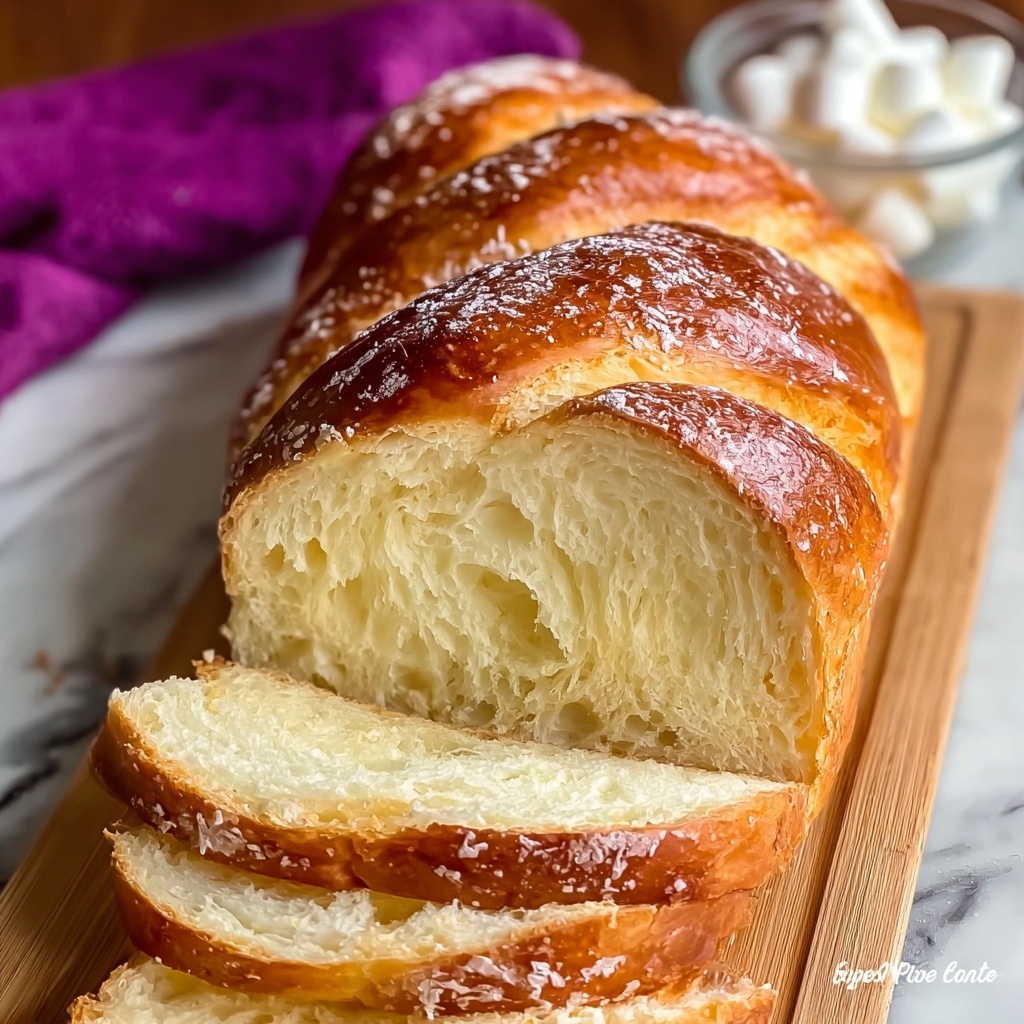
If you have ever dreamed of biting into a warm loaf that feels like a cloud and has that irresistible crusty exterior, then this Soft and Fluffy French Bread Recipe is just for you. It’s a brilliant mix of simple ingredients coming together to create that perfect balance of softness inside and a golden, crisp crust outside. Whether you’re a seasoned baker or a newbie, this recipe will have your kitchen smelling like a Parisian bakery in no time, and you’ll be slicing into fresh, pillowy bread that makes every meal feel special.
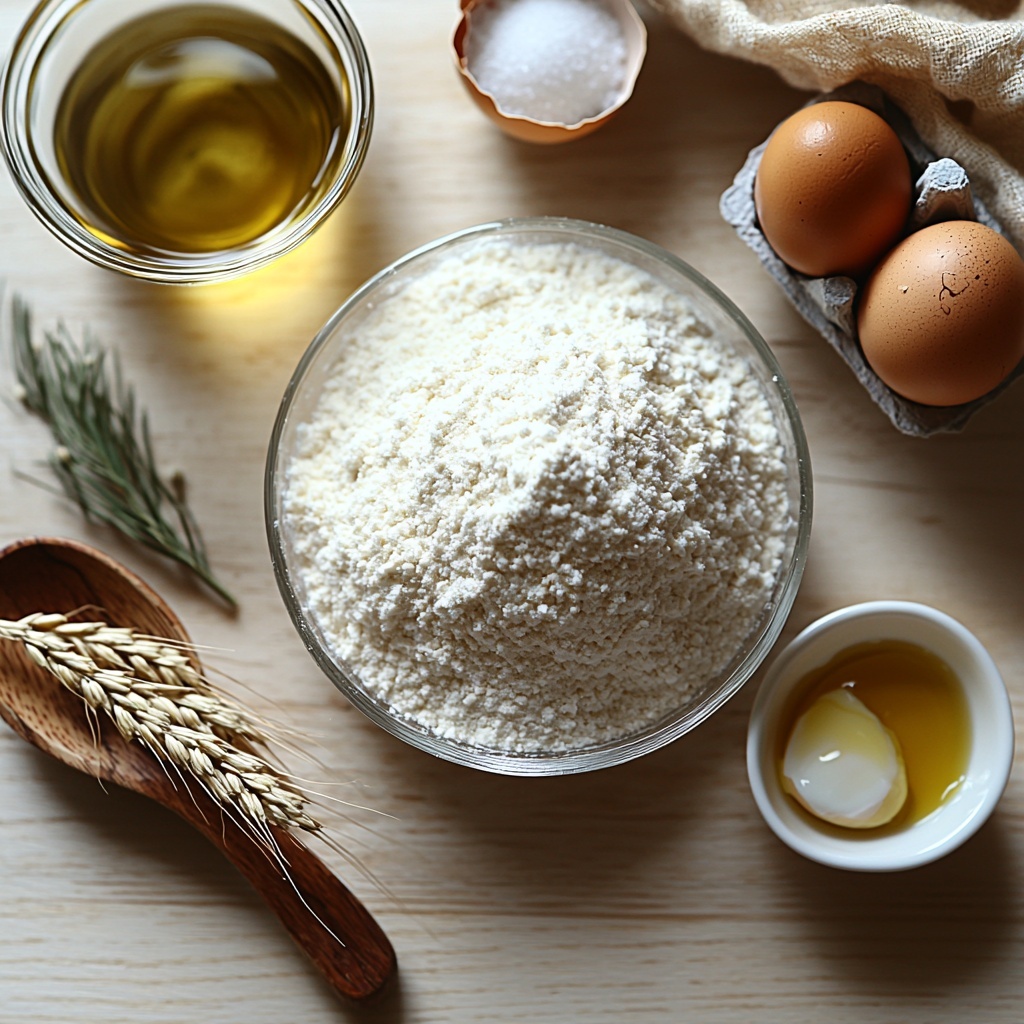
Ingredients You’ll Need
Gathering the right ingredients is the first step to nailing this Soft and Fluffy French Bread Recipe. Each element is straightforward but plays a crucial role in the flavor, texture, and appearance of your bread.
- 2.5 to 3 cups all-purpose flour: The foundation of your bread that provides structure and chewiness; start with 2.5 cups and add more if needed for dough consistency.
- 1 cup warm water: Activates the yeast and keeps the dough moist, ensuring softness inside.
- 1 tablespoon olive oil (or vegetable oil): Adds tenderness and a subtle richness to the bread crumb.
- 1 tablespoon white granulated sugar: Feeds the yeast to create that lovely rise and adds a slight touch of sweetness.
- 1 teaspoon salt: Balances flavor and strengthens the dough’s gluten for good texture.
- 2 teaspoons active dry yeast: The magical ingredient that makes your bread rise and become airy and fluffy.
- 1 egg, beaten (for brushing): Gives the crust a shiny, golden finish with a beautiful sheen.
How to Make Soft and Fluffy French Bread Recipe
Step 1: Activate the Yeast
Start by combining warm water, sugar, and yeast in a large mixing bowl. Stir gently and watch as the mixture becomes frothy after about 5 minutes—this signals that your yeast is alive and ready to work its magic in transforming your dough into a cloud of softness.
Step 2: Add Wet Ingredients
Once your yeast is bubbling away happily, add the olive oil into the bowl and stir to blend everything well. This oil will keep the bread tender and moist, a key factor in achieving that soft texture inside.
Step 3: Incorporate Dry Ingredients
Next, gradually add 2.5 cups of the flour along with the salt to the wet mixture. Stir until it begins forming a soft dough. If your dough feels too sticky to handle, sprinkle in extra flour little by little—this step helps you hit the perfect dough consistency, fundamental for good rise and fluffiness.
Step 4: Knead the Dough
Transfer your dough to a lightly floured surface and knead for about 8 to 10 minutes. Kneading is essential as it develops the gluten, giving your bread that chewy but tender texture you’re aiming for in this Soft and Fluffy French Bread Recipe.
Step 5: First Rise
Pop the kneaded dough into a greased bowl and cover it with a clean cloth. Let it rest for an hour or until it doubles in size. This first rise is where the dough becomes airy and light, the hallmark of perfectly soft French bread.
Step 6: Shape the Loaf
After the dough has risen, punch it down gently to release excess air and shape it into a loaf by rolling it into a rectangle and then tightly rolling it up. This shaping technique helps create the traditional loaf shape with a lovely crumb inside.
Step 7: Second Rise
Place your shaped loaf on a parchment-lined baking sheet, cover it loosely, and allow it to rise for another 30 minutes. This final rest contributes to the light and airy texture you love in a French bread loaf.
Step 8: Preheat Oven
While your bread is rising, preheat your oven to 375°F (190°C). Ensuring the oven is hot enough is vital for getting that gloriously golden crust in just the right amount of time.
Step 9: Prepare for Baking
Brush the top of your loaf with a beaten egg to achieve a shiny, golden finish. For an authentic touch, feel free to make diagonal slashes atop the dough—these cuts add flair and help the bread expand beautifully as it bakes.
Step 10: Bake the Bread
Place your loaf in the oven and bake it for 20 to 25 minutes. You’ll know it’s done when the crust turns golden brown and the loaf sounds hollow when tapped—a sure sign of that perfect bake.
Step 11: Cool
Once baked, transfer the loaf onto a wire rack to cool before slicing. Cooling prevents the bread from becoming gummy and allows the crumb to set. This wait is worth every minute!
How to Serve Soft and Fluffy French Bread Recipe
Garnishes
Some simple garnishes can elevate your Soft and Fluffy French Bread Recipe. A sprinkle of coarse sea salt, fresh herbs like rosemary or thyme, or even a garlic butter spread can add layers of flavor and appeal that make your bread look as good as it tastes.
Side Dishes
This bread pairs wonderfully with hearty soups, creamy cheeses, or even a vibrant salad. Its soft texture and subtle flavor make it a versatile partner for everything from classic tomato basil soup to a decadent garlic shrimp dish.
Creative Ways to Present
Try slicing this loaf into thick pieces for bruschetta topped with ripe tomatoes and basil, or make delightful mini sandwiches stuffed with your favorite fillings. Presenting your bread with contrasting textures and flavors highlights how perfect this Soft and Fluffy French Bread Recipe really is.
Make Ahead and Storage
Storing Leftovers
Keep leftover bread fresh by wrapping it tightly in plastic wrap or storing it in an airtight container at room temperature. This helps maintain its softness and prevents it from drying out for up to two days.
Freezing
If you want to enjoy your bread later, slice it first and freeze in a resealable bag. This way, you can toast individual slices whenever the craving strikes, preserving that fresh-baked softness and flavor for weeks.
Reheating
To revive your bread’s soft texture and crisp crust, wrap it in foil and warm it in a 350°F (175°C) oven for 10-15 minutes. Alternatively, a quick toast can bring back the delightful contrast between crusty outside and fluffy inside.
FAQs
Can I use whole wheat flour instead of all-purpose flour?
While you can substitute whole wheat flour, keep in mind it will create a denser loaf, and the bread may not be as soft and fluffy. For best results, try a blend of half whole wheat and half all-purpose flour.
How important is the water temperature when activating yeast?
Water temperature is key; it should be warm but not hot—around 100-110°F (37-43°C). Too hot water can kill the yeast, while cold water will slow activation and rising time.
Can I skip the second rise?
The second rise helps develop a lighter crumb and better texture. Skipping it may result in a denser loaf, so it’s best to allow that final 30-minute rest for optimal fluffiness.
What if my dough is too sticky after kneading?
Add flour gradually as you knead, but be cautious not to add too much—it can make the bread tough. The dough should be soft, slightly tacky, but manageable.
How do I know when the bread is fully baked?
Look for a golden brown crust and tap the bottom of the loaf—it should sound hollow. This tapping test indicates the inside is cooked through and ready to be enjoyed.
Final Thoughts
This Soft and Fluffy French Bread Recipe is a treasure that brings bakery-quality bread into your own kitchen without fuss. It’s a comforting, rewarding project that fills your home with warmth and sweet aromas. I encourage you to give it a try—you’ll find that nothing tastes quite like bread you made yourself, especially when it’s this soft, fluffy, and utterly delicious.
Print
Soft and Fluffy French Bread Recipe
- Prep Time: 20 minutes
- Cook Time: 25 minutes
- Total Time: 2 hours 25 minutes
- Yield: 1 loaf (approximately 1 pound)
- Category: Bread
- Method: Baking
- Cuisine: French
Description
This Soft and Fluffy French Bread recipe delivers a classic homemade loaf with a tender crumb and golden crust. Perfect for sandwiches, toast, or as a side to your favorite meals, this bread is made with simple ingredients and traditional techniques to create a delicious, airy texture and delightful flavor.
Ingredients
Dry Ingredients
- 2.5 to 3 cups all-purpose flour
- 1 tablespoon white granulated sugar
- 1 teaspoon salt
- 2 teaspoons active dry yeast
Wet Ingredients
- 1 cup warm water
- 1 tablespoon olive oil (or vegetable oil)
- 1 egg, beaten (for brushing)
Instructions
- Activate the Yeast: In a large mixing bowl, combine warm water, sugar, and yeast. Stir gently and let sit for 5 minutes until the mixture becomes frothy, indicating the yeast is active.
- Add Wet Ingredients: Add the olive oil to the yeast mixture and stir to combine well, ensuring a smooth consistency.
- Incorporate Dry Ingredients: Gradually add 2.5 cups of flour and salt to the wet mixture, stirring until a soft dough forms. If the dough is too sticky, add additional flour little by little until the dough is manageable.
- Knead the Dough: Transfer the dough onto a lightly floured surface and knead for 8-10 minutes until it is smooth and elastic, which develops the gluten structure of the bread.
- First Rise: Place the kneaded dough in a greased bowl, cover it with a clean cloth, and let it rise in a warm place for 1 hour, or until doubled in size, allowing the yeast to ferment and the dough to expand.
- Shape the Loaf: After the first rise, punch down the dough to release excess air. Roll it into a rectangle and tightly roll it up to form a loaf shape.
- Second Rise: Place the shaped loaf onto a parchment-lined baking sheet. Cover it loosely and let it rise for another 30 minutes to achieve a light, airy loaf.
- Preheat Oven: While the dough is rising, preheat your oven to 375°F (190°C) to prepare for baking.
- Prepare for Baking: Brush the top of the loaf with the beaten egg to give it a shiny, golden finish after baking. You can optionally make diagonal slashes on the top for a traditional French bread look.
- Bake the Bread: Place the loaf in the preheated oven and bake for 20-25 minutes until the crust is golden brown and the bread sounds hollow when tapped, indicating it is fully baked.
- Cool: Remove the bread from the oven and let it cool on a wire rack before slicing to set the crumb and improve texture.
Notes
- You can substitute olive oil with vegetable oil if preferred.
- Adjust flour quantity slightly based on humidity and dough consistency; dough should be soft but not overly sticky.
- The beaten egg wash gives the bread a glossy crust, but it can be omitted or replaced with milk for a softer crust.
- Letting the bread cool completely before slicing helps maintain its structure and prevents crumbling.