If you are craving a dish that bursts with bold, savory, and slightly sweet flavors, you have to try this Korean Beef Bulgogi Recipe. It is a beloved Korean classic that combines tender, thinly sliced beef marinated in a luscious blend of soy sauce, garlic, ginger, and a hint of sweet fruit, resulting in an irresistible caramelized finish. This recipe perfectly balances juicy meat and vibrant vegetables, making it an exciting meal your whole family will adore.
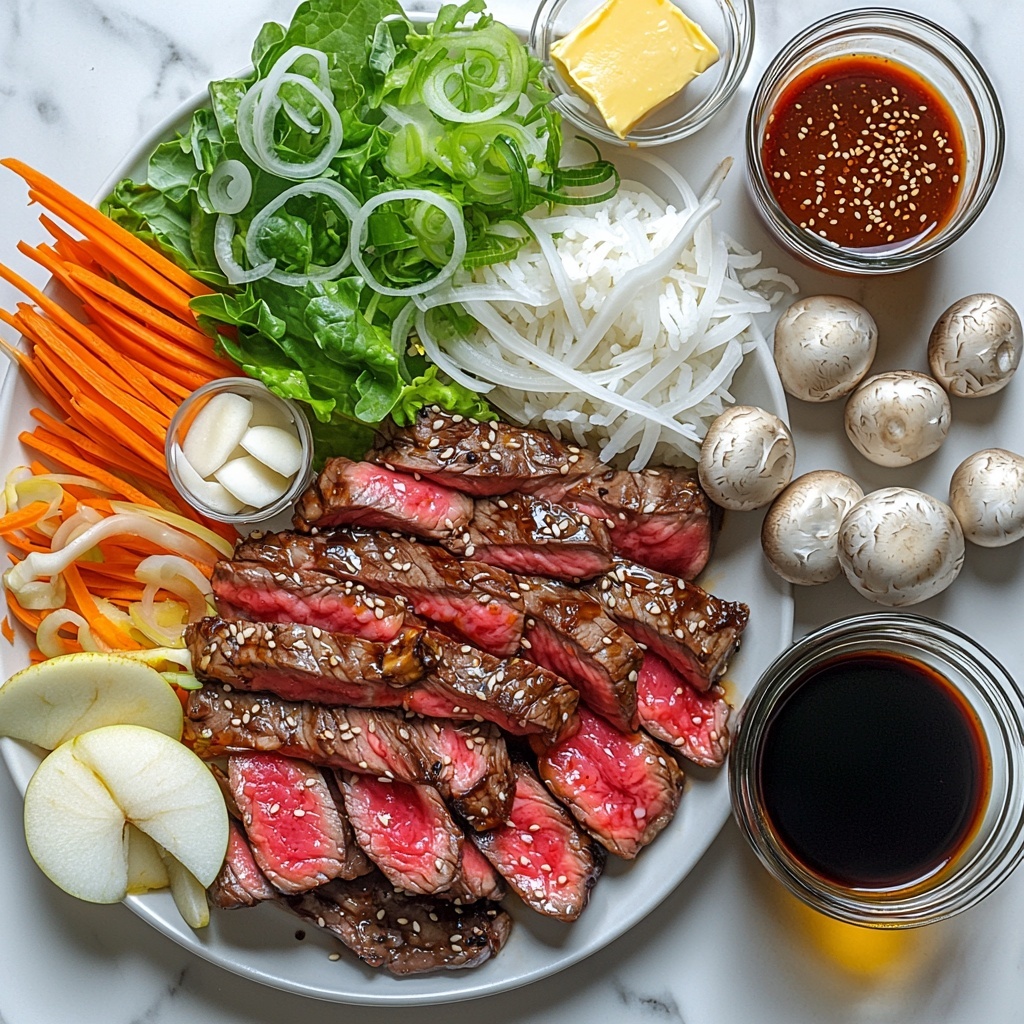
Ingredients You’ll Need
Simple but thoughtfully chosen ingredients come together beautifully in this Korean Beef Bulgogi Recipe, each adding its own magic that enhances the final dish’s flavor, texture, and color.
- 1.5 lbs ribeye or sirloin steak, thinly sliced against the grain: Choosing tender cuts like ribeye or sirloin is key for that melt-in-your-mouth experience.
- 6 tbsp soy sauce: This salty, umami base builds the deep marinade flavor.
- 3 tbsp brown sugar: Adds the perfect touch of sweetness to balance the savory notes.
- 2 tbsp sesame oil: Brings nutty aroma and richness to the marinade.
- 4 cloves garlic, minced: Garlic’s pungency brightens and layers the overall taste.
- 1 tbsp fresh ginger, grated: Adds warmth and a subtle zing.
- 1/2 Asian pear or red apple, grated: This natural tenderizer and sweetener creates a beautifully delicate flavor and texture.
- 2 tbsp mirin (optional): Provides a slight sweetness and depth of flavor, perfect if you want an extra touch of sophistication.
- 1 tbsp gochujang (optional, for spice): This chili paste adds a mellow heat and complexity.
- 1/4 tsp black pepper: Just a whisper of spice to round out the marinade.
- 2 tbsp finely chopped green onions: Freshness with a mild onion kick.
- 1 tsp toasted sesame seeds: Adds subtle crunch and nuttiness.
- 1 tbsp neutral oil (for cooking): Use this for a clean sauté without overpowering flavors.
- 1 small onion, thinly sliced: Adds sweetness and texture when sautéed.
- 1 carrot, julienned: Offers a crisp, lightly sweet contrast.
- 1 cup mushrooms (shiitake or white button), sliced: Earthy notes that soak up all the delicious meaty flavors.
- 2 tbsp honey butter (1 tbsp melted butter + 1 tbsp honey, mixed): This finishing touch creates a beautiful, glossy glaze on the beef.
- Cooked rice, for serving: The perfect vessel to soak up all those wonderful flavors.
- Lettuce leaves or perilla leaves, for wrapping: Offers a fresh and crisp way to enjoy the bulgogi.
- Extra sesame seeds and sliced green onions, for garnish: For added texture and a pop of color.
How to Make Korean Beef Bulgogi Recipe
Step 1: Prepare the Beef
Start by firming up the beef in the freezer for about 30 minutes. This little trick makes it so much easier to slice the meat paper-thin against the grain, which is essential to keep the slices tender and easy to chew after cooking.
Step 2: Make the Marinade
In a large bowl, whisk together soy sauce, brown sugar, sesame oil, minced garlic, grated ginger, and the grated Asian pear or apple. If you want to bring more depth, add mirin and a spoonful of gochujang for a gentle kick. Stir in black pepper, chopped green onions, and toasted sesame seeds to build layers of flavor that soak deeply into the beef.
Step 3: Marinate the Beef
Add your thinly sliced beef to the marinade, making sure every strip is luxuriously coated. Cover and refrigerate for at least one hour, though overnight really lets those flavors seep in and tenderize the meat beautifully.
Step 4: Prepare the Vegetables
While the beef is marinating, prep your veggies by thinly slicing the onion, julienning the carrot, and slicing the mushrooms. These fresh vegetables will soak up the rich beefy aroma when sautéed later.
Step 5: Cook the Bulgogi
Heat a grill pan or cast iron skillet over medium-high and add neutral oil. Cook the marinated beef in batches, avoiding overcrowding so each piece gets that mouthwatering caramelization. Sear each side for 2 to 3 minutes until beautifully browned. Right before taking the beef off the heat, drizzle the honey butter over the meat and quickly toss it to create a shiny, sweet glaze that makes every bite irresistible.
Step 6: Sauté the Vegetables
Using the same pan that held the beef, add in the onion, carrot, and mushrooms. Let them simmer and caramelize for 3 to 4 minutes, soaking up all the tasty drippings leftover in the pan. Their sweet and savory notes perfectly complement the rich bulgogi.
Step 7: Serve it Up
Arrange the tender, glazed beef alongside the sautéed veggies on a serving platter. Sprinkle on extra sesame seeds and sliced green onions for a beautiful finish, and get ready to dive into a Korean feast!
How to Serve Korean Beef Bulgogi Recipe
Garnishes
The simplest garnishes can take your Korean Beef Bulgogi Recipe from fantastic to unforgettable. Extra toasted sesame seeds add a subtle crunch and nutty flavor, while fresh sliced green onions give a burst of green vibrancy and mild sharpness. These small touches brighten the whole dish visually and elevate the taste.
Side Dishes
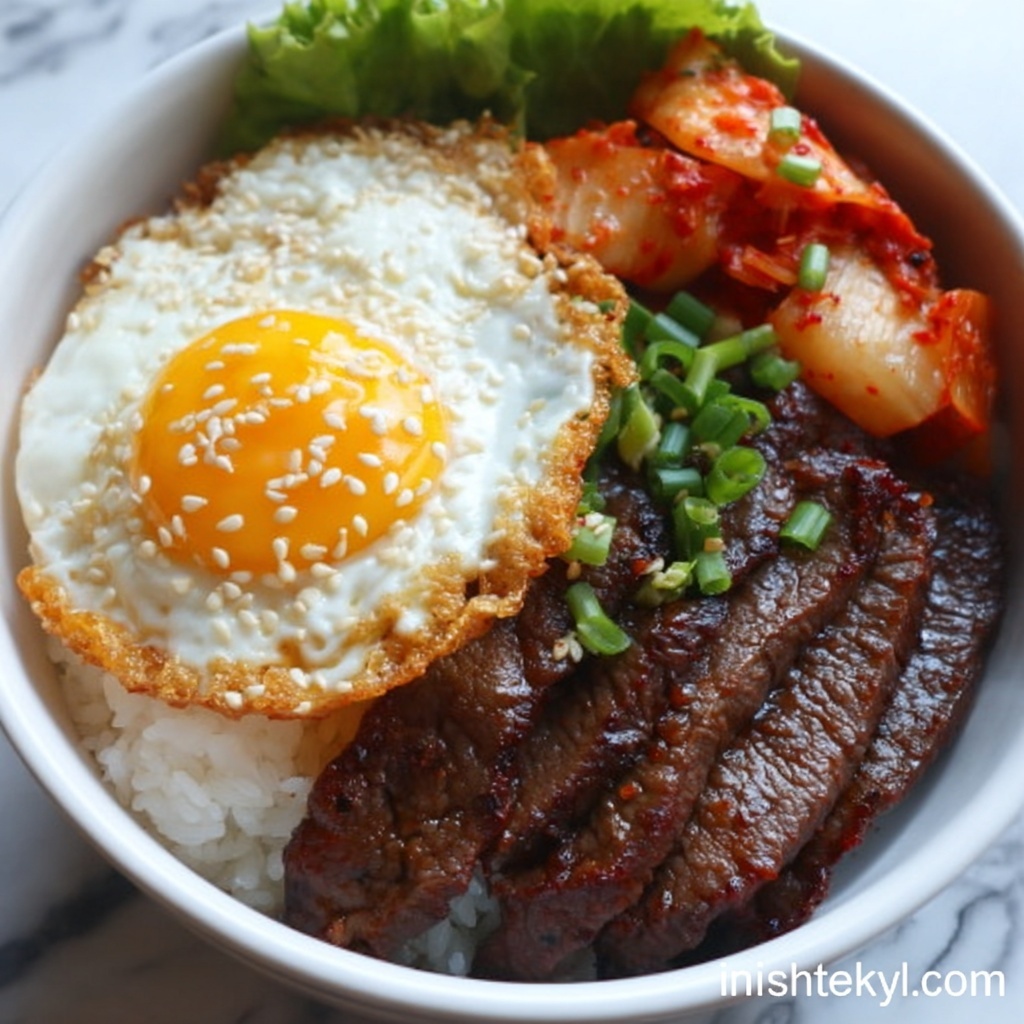
This bulgogi pairs beautifully with steamed white rice, which balances the rich and savory meat perfectly. For a traditional Korean experience, serve it alongside kimchi—a spicy, tangy fermented cabbage offering a delightful contrast. Lettuce or perilla leaves are fantastic for wrapping the beef and veggies, turning each bite into a fresh, flavorful hand-held delight.
Creative Ways to Present
Try serving the bulgogi in Korean-style lettuce wraps, placing a few beef slices, sautéed veggies, and a dollop of ssamjang (a Korean dipping sauce) inside a leaf for a fun, interactive meal. Another idea is to build a bulgogi rice bowl topped with a fried egg, pickled radishes, and a sprinkle of seaweed flakes. This Korean Beef Bulgogi Recipe is versatile, so let your creativity shine in how you plate and enjoy it!
Make Ahead and Storage
Storing Leftovers
Once cooked, store any leftover bulgogi in an airtight container in the refrigerator. It will keep wonderfully for 3 to 4 days while maintaining its flavor and tenderness. Just be sure to cool it to room temperature before refrigerating to keep the beef juicy.
Freezing
If you want to enjoy Korean Beef Bulgogi Recipe later, freezing is a great option. Place the cooked beef and vegetables in a freezer-safe container or bag, removing as much air as possible. Frozen bulgogi keeps best for up to 2 months, allowing you to savor this delicious dish anytime you want without sacrificing quality.
Reheating
Reheat leftovers gently on the stove over medium-low heat, adding a splash of water or broth to prevent drying out. You can also microwave it covered for short intervals, stirring in between until warmed through. To revive some crispness, briefly sauté the beef and vegetables in a hot pan before serving.
FAQs
Can I use other cuts of beef for this Korean Beef Bulgogi Recipe?
Absolutely! While ribeye or sirloin give wonderful tenderness and flavor, flank steak or skirt steak can work too. Just be sure to slice very thinly against the grain for the best results.
What can I use if I don’t have Asian pear or red apple?
If you don’t have either, a little grated white pear or even a splash of apple juice works as a natural tenderizer and sweetener, though it won’t be quite as authentic. The fruit is key to achieving that signature bulgogi texture and mild sweetness.
Is gochujang necessary in the marinade?
Gochujang is optional but highly recommended if you love a bit of spicy depth. It adds subtle heat and complexity without overpowering the beef. If you prefer mild flavors, feel free to omit it.
How long should I marinate the beef for best flavor?
Marinating for at least one hour is sufficient, but if you have the time, marinate overnight in the fridge. This gives the marinade plenty of time to tenderize the meat and infuse maximum flavor.
Can I make this recipe gluten-free?
Yes! Just substitute the soy sauce with tamari or a gluten-free soy sauce alternative, and ensure any additional sauces you add are gluten-free. This way, you can still enjoy all the amazing flavors of the Korean Beef Bulgogi Recipe.
Final Thoughts
This Korean Beef Bulgogi Recipe is truly a crowd-pleaser that brings together tender, flavorful beef with sweet and savory notes that dance on your palate. Whether it’s a weeknight dinner or an impressive dish for guests, it’s sure to become one of your go-to meals. Give it a try and watch how it turns simple ingredients into a soulful, unforgettable Korean feast that you’ll want again and again!
Print
Korean Beef Bulgogi Recipe
- Prep Time: 40 minutes
- Cook Time: 25 minutes
- Total Time: 1 hour 5 minutes
- Yield: 4 servings
- Category: Main Course
- Method: Frying
- Cuisine: Korean
Description
This Korean Beef Bulgogi recipe features thinly sliced ribeye or sirloin steak marinated in a flavorful blend of soy sauce, brown sugar, sesame oil, garlic, ginger, and Asian pear, then quickly seared in a hot skillet and glazed with honey butter. Accompanied by sautéed onions, carrots, and mushrooms, this dish offers a perfect balance of savory, sweet, and umami flavors, traditionally served with steamed rice and wrapped in lettuce or perilla leaves for a delicious Korean meal.
Ingredients
Beef and Marinade
- 1.5 lbs ribeye or sirloin steak, thinly sliced against the grain
- 6 tbsp soy sauce
- 3 tbsp brown sugar
- 2 tbsp sesame oil
- 4 cloves garlic, minced
- 1 tbsp fresh ginger, grated
- 1/2 Asian pear or red apple, grated
- 2 tbsp mirin (optional)
- 1 tbsp gochujang (optional, for spice)
- 1/4 tsp black pepper
- 2 tbsp finely chopped green onions
- 1 tsp toasted sesame seeds
- 1 tbsp neutral oil (for cooking)
Vegetables and Garnish
- 1 small onion, thinly sliced
- 1 carrot, julienned
- 1 cup mushrooms (shiitake or white button), sliced
- 2 tbsp honey butter (1 tbsp melted butter + 1 tbsp honey, mixed)
- Cooked rice, for serving
- Lettuce leaves or perilla leaves, for wrapping
- Extra sesame seeds, for garnish
- Sliced green onions, for garnish
Instructions
- Prepare the Beef: Place the beef in the freezer for 30 minutes to firm up, making it easier to slice. Using a sharp knife, cut the beef into thin strips against the grain to ensure tenderness.
- Make the Marinade: In a large bowl, whisk together soy sauce, brown sugar, sesame oil, minced garlic, grated ginger, grated Asian pear or apple, mirin if using, gochujang for spice if desired, and black pepper. Stir in chopped green onions and toasted sesame seeds to infuse flavor.
- Marinate the Beef: Add the sliced beef to the marinade, making sure each piece is fully coated. Cover and refrigerate for at least one hour, preferably overnight, to develop deep flavor and tenderize the meat.
- Prepare Vegetables: While the beef marinates, prepare the accompanying vegetables by thinly slicing the onion, julienning the carrot, and slicing the mushrooms.
- Cook the Bulgogi: Heat a grill pan or cast iron skillet over medium-high heat and add neutral oil. Cook the marinated beef in batches to avoid overcrowding, searing each side for 2 to 3 minutes until caramelized. Just before finishing, drizzle honey butter over the beef and toss quickly to create a beautiful glaze. Remove cooked beef from the pan and set aside.
- Sauté the Vegetables: In the same pan used for the beef, add the sliced onion, carrot, and mushrooms. Sauté for 3 to 4 minutes until the vegetables are softened and lightly caramelized, absorbing the pan’s flavors.
- Serve: Arrange the cooked beef and sautéed vegetables on a serving plate. Garnish with extra sesame seeds and sliced green onions. Serve hot with steamed rice or wrapped in lettuce or perilla leaves alongside kimchi for a traditional touch.
Notes
- Marinating the beef overnight enhances flavor and tenderness.
- If Asian pear or red apple is unavailable, you can substitute with a small amount of pineapple for a slight sweetness and tenderizing effect.
- Gochujang is optional and can be adjusted to taste depending on desired spiciness.
- Cook the beef in batches to get a nice caramelization without steaming the meat.
- Use a cast iron skillet or grill pan for best searing results.
- Honey butter adds a delicious sweet glaze; alternatively, you can use plain butter or skip it for a less sweet finish.
- Serve with kimchi or other Korean side dishes for an authentic experience.