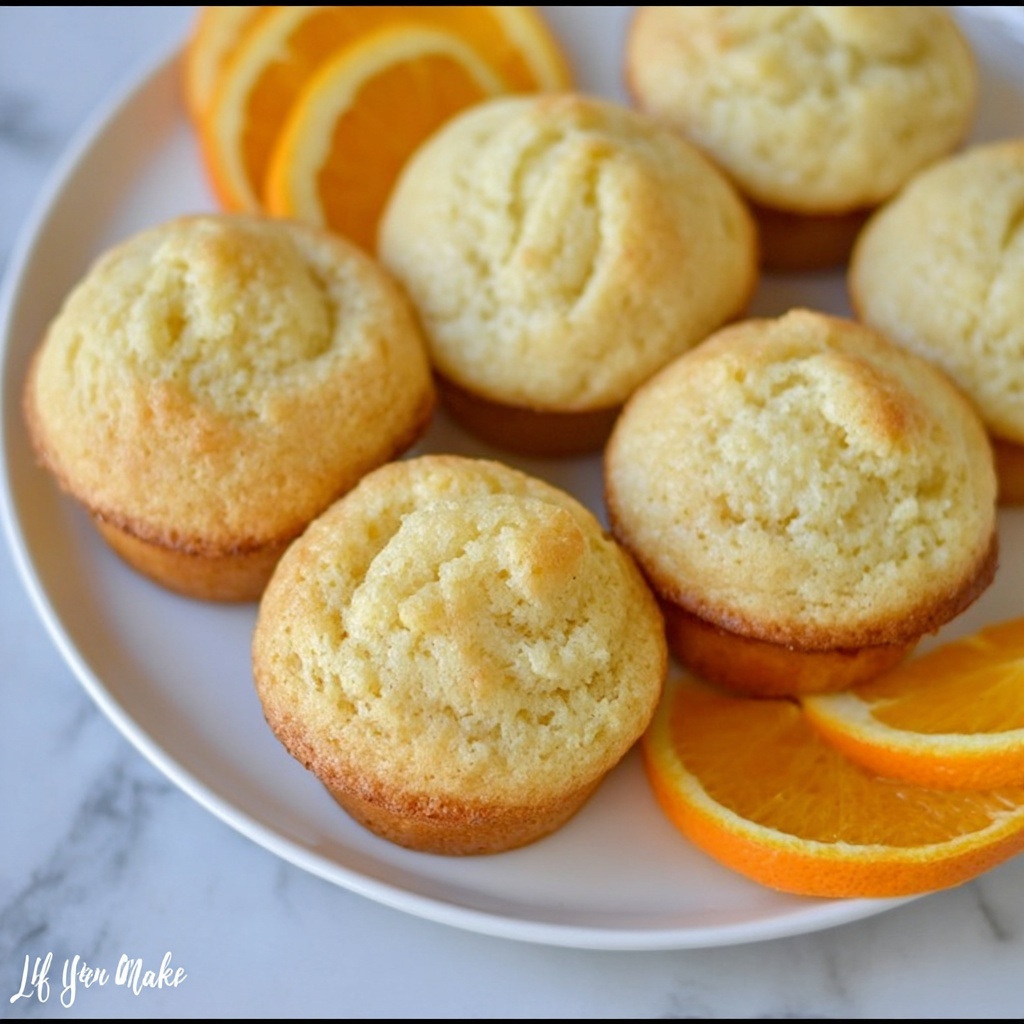
If you’re craving a warm, sweet treat that fills your kitchen with the irresistible scent of citrus and freshly baked bread, you’ve just found a new favorite. This Orange Rolls Recipe is a delightful twist on classic cinnamon rolls, swapping the spice for bright orange zest that adds a fresh, tangy burst with every bite. Soft, buttery dough wrapped around a luscious orange-sugar filling makes these rolls the perfect companion for your morning coffee or a special weekend brunch. Get ready to impress everyone with this homemade treasure that tastes like sunshine rolled into a roll.
Ingredients You’ll Need
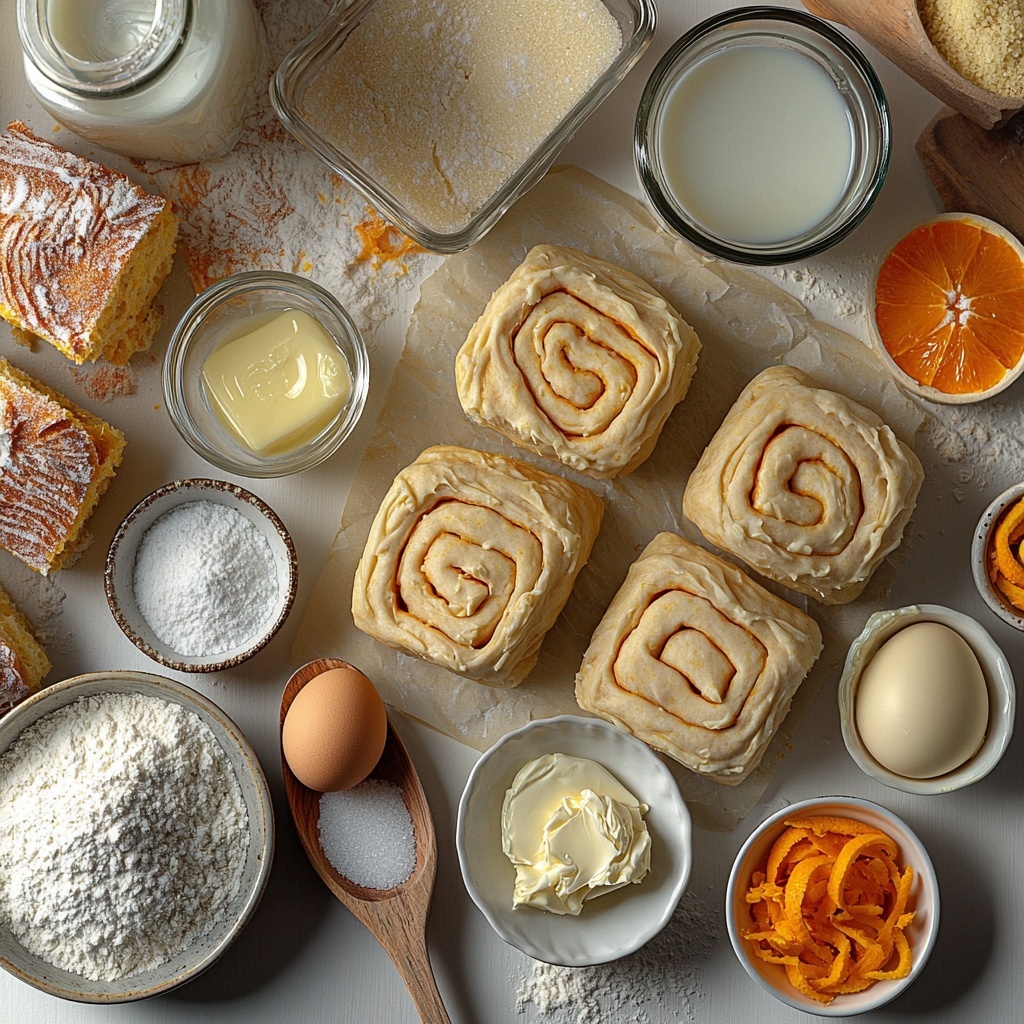
Gathering simple but impactful ingredients is key to making these orange rolls truly shine. Each component plays a crucial role in bringing together a dough that is airy and tender, with a filling bursting with citrusy sweetness and buttered richness.
- 1 cup milk: Provides moisture and tenderness to the dough while enriching its flavor.
- 1/2 cup butter: Adds luscious richness and helps create a soft texture.
- 1/2 cup sugar: Sweetens the dough and balances the tang of the orange zest.
- 3/4 teaspoon salt: Enhances all the flavors without overpowering the delicate orange notes.
- 1 tablespoon active-dry yeast: The magic behind the dough’s airy rise and soft crumb.
- 1/4 cup warm water: Activates the yeast quickly to get your dough rising.
- 1 tablespoon sugar (for yeast): Feeds the yeast, helping it become foamy and effective.
- 2 eggs (beaten): Add structure and richness to the dough for a tender crumb.
- 4 1/2 cups all-purpose flour: The base of your dough, providing necessary structure.
- 1/2 cup sugar (for filling): Sweetens the orange filling perfectly.
- 1/2 cup softened butter (for filling): Creates a decadent, spreadable base for the flavor-packed filling.
- Zest of 2 small oranges (or 1 large): The star ingredient that fills your rolls with bright, citrusy aroma and taste.
How to Make Orange Rolls Recipe
Step 1: Prepare the Milk and Butter Mixture
Start by gently heating the milk, butter, sugar, and salt together in a saucepan over medium heat. Stir just until the butter melts and everything is combined. Once it’s mixed, remove it from the heat and set it aside to cool until it’s lukewarm. This step ensures your dough has the perfect temperature to rise properly without killing the yeast.
Step 2: Activate the Yeast
In a large bowl, mix the active dry yeast, warm water, and a tablespoon of sugar, then let it rest for about 10 minutes. You’re looking for a foamy surface—that’s your yeast waking up and ready to work its magic!
Step 3: Combine Wet and Dry Ingredients
When your milk mixture is lukewarm, stir it into the yeast mixture, along with the beaten eggs. Slowly start adding the flour, mixing it in gradually. The dough will be sticky but don’t worry—that’s a good sign it will be soft and fluffy once baked.
Step 4: Let the Dough Rise
Cover the bowl with a clean kitchen towel and let the dough rise in a warm place until it has doubled in size. This usually takes about 1 to 2 hours and is a crucial step for light, fluffy rolls.
Step 5: Prepare the Orange Filling
Mix the softened butter, sugar, and orange zest together to create the filling. The zest brings bursts of bright citrus flavor, balancing the sweetness and adding complexity to each bite.
Step 6: Shape the Rolls
Once the dough has risen, punch it down and divide it in half. Flour your work surface and hands generously, then roll out one half into a rectangle. Spread half of the orange filling evenly over the dough. Roll it up lengthwise like a cinnamon roll log, then cut into 12 pieces and place them into greased muffin tins. Repeat with the second half of dough and filling.
Step 7: Final Rise and Bake
Cover the rolls again with a towel and let them rise until doubled, filling your kitchen with anticipation. When ready, bake at 325°F for about 15 minutes or until golden and irresistible. There’s nothing quite like the smell of freshly baked orange rolls coming out of the oven!
How to Serve Orange Rolls Recipe
Garnishes
A sprinkle of powdered sugar or a drizzle of simple orange glaze can elevate your orange rolls to bakery-level presentation. Adding a touch of finely chopped candied orange peel on top provides an extra zing and beautiful visual appeal.
Side Dishes
Orange rolls pair wonderfully with fresh fruit salad for a bright and refreshing balance. Also, a dollop of whipped cream or a side of yogurt with honey can complement the rolls’ buttery sweetness, perfect for a special brunch or dessert table.
Creative Ways to Present
Try serving the orange rolls warm in a rustic wooden basket lined with a tea towel to keep them cozy. For a festive touch, arrange them in a circular pattern on a platter with additional fresh orange slices and sprigs of mint for a burst of color and aroma.
Make Ahead and Storage
Storing Leftovers
If you have any orange rolls left, store them in an airtight container at room temperature for up to two days. This keeps them soft and fresh. You can also wrap them tightly in plastic wrap to retain moisture.
Freezing
These rolls freeze beautifully. Place them in a freezer-safe container or zip-top bag and freeze for up to three months. Thaw them overnight in the refrigerator before reheating to preserve their soft texture and orange flavor.
Reheating
To enjoy your orange rolls as if freshly baked, warm them in the oven at 300°F for 5 to 10 minutes or microwave for 20-30 seconds. Adding a small pat of butter on top before reheating will bring back that melty, delicious experience.
FAQs
Can I use fresh orange juice instead of zest in the Orange Rolls Recipe?
Fresh orange juice can add moisture and citrus flavor, but it’s best used sparingly in place of some of the liquid rather than replacing zest. Zest provides intense oil-based flavor and texture that juice can’t replicate.
Do I need a stand mixer to make these orange rolls?
Nope! While a stand mixer makes mixing easier, you can definitely make these orange rolls by hand with a sturdy spoon and some elbow grease. Just be patient when incorporating the flour to get the right dough consistency.
How long does the dough take to rise?
Typically, the dough will double in size after about 1 to 2 hours in a warm area. Factors like room temperature and yeast freshness can affect timing, so keep an eye on the dough rather than the clock.
Can I substitute whole milk for a different type of milk?
You can substitute with 2% or even non-dairy milk like almond or oat milk, but using whole milk gives the dough a richer flavor and softer texture. If using non-dairy milk, consider adding a bit more butter to keep richness.
What’s the best way to prevent the rolls from drying out?
Cover your rolls tightly with plastic wrap or place them in an airtight container immediately after cooling to keep moisture locked in. Reheating wrapped with a damp paper towel can also help maintain softness.
Final Thoughts
This Orange Rolls Recipe is one of those charming classics that feels like a hug in pastry form. It’s approachable, comforting, and filled with so much bright, happy flavor that you’ll want to make it again and again. Whether you’re sharing with family or surprising guests at brunch, these rolls deliver smiles and warm hands reaching for seconds. Give it a try—you won’t regret infusing your baking with a burst of sunshine.
Print
Orange Rolls Recipe
- Prep Time: 45 minutes
- Cook Time: 15 minutes
- Total Time: 3 hours 15 minutes
- Yield: 24 rolls
- Category: Breakfast, Dessert
- Method: Baking
- Cuisine: American
Description
Deliciously soft and sweet orange rolls, featuring a fluffy yeast dough filled with a fragrant orange zest butter mixture. Perfect for breakfast or dessert, these rolls have a tender crumb and a bright citrus flavor, baked to golden perfection.
Ingredients
Dough Ingredients
- 1 cup milk
- 1/2 cup butter
- 1/2 cup sugar
- 3/4 teaspoon salt
- 1 tablespoon active-dry yeast
- 1/4 cup warm water
- 1 tablespoon sugar
- 2 eggs, beaten
- 4 1/2 cups all-purpose flour
Filling Ingredients
- 1/2 cup sugar
- 1/2 cup butter, softened
- Zest of 2 small oranges (or 1 large)
Instructions
- Prepare milk and butter mixture. In a medium saucepan over medium heat, combine milk, butter, sugar, and salt. Stir until the butter is fully melted. Remove from heat and let the mixture cool until lukewarm.
- Activate the yeast. In a large bowl, combine the active-dry yeast, warm water, and 1 tablespoon sugar. Let the mixture stand for about 10 minutes or until it becomes foamy, indicating the yeast is active.
- Make the dough. Once the milk and butter mixture is lukewarm, add it to the foamy yeast mixture and stir well. Add the beaten eggs, then gradually incorporate all 4 1/2 cups of flour to form a sticky dough.
- First rise. Cover the bowl with a clean kitchen towel or plastic wrap and let the dough rise in a warm place until it doubles in size, approximately 1 to 2 hours.
- Prepare the filling. Mix together the softened butter, sugar, and orange zest until well combined. Set aside.
- Divide and roll out dough. Punch down the risen dough to release air. Divide the dough in half. Flour your hands and work surface generously. Take one half of the dough and roll it out into a large rectangle.
- Spread filling and shape rolls. Spread half of the orange butter filling evenly over the rolled dough. Roll the dough lengthwise tightly, like cinnamon rolls. Slice into 12 equal pieces and place each piece into greased muffin tins.
- Repeat with second half. Repeat the rolling, filling, slicing, and placing steps with the remaining dough and filling.
- Second rise. Cover the muffin tins with kitchen towels and let the rolls rise again until doubled in size.
- Bake the rolls. Preheat the oven to 325°F (163°C). Bake the rolls for 15 minutes until they are golden and cooked through. Remove from oven and enjoy warm.
Notes
- The dough is sticky, so flour your hands and work surface well to prevent sticking.
- You can substitute orange zest with lemon zest for a different citrus flavor.
- For extra sweetness, add a glaze made from powdered sugar and orange juice after baking.
- Store leftover rolls in an airtight container; they keep well for 2-3 days or freeze for longer storage.